The one-year-old German Shepherd is a lively and energetic breed, full of enthusiasm and a love for life. With their striking black and tan coat, they are a sight to behold, and their lively, alert expression is a testament to their intelligence and inquisitive nature.
From a young age, German Shepherd is eager to learn and explore the world around them. They are highly trainable and respond well to positive reinforcement methods, making them an ideal breed for obedience training, agility, and other dog sports.
But it’s not just their physical abilities that make the German Shepherd stand out. They are also renowned for their loyalty, courage, and protective instincts. They make excellent guard dogs, and their natural inclination to protect their family and home makes them a popular choice for law enforcement and military work.
However, like any other breed, the German Shepherd requires proper training, socialization, and exercise to reach their full potential. They thrive on mental and physical stimulation, and without it, they can become bored and restless. It’s important to provide them with plenty of opportunities to explore the world around them, engage in physical activity, and interact with other dogs and people.
At 1 year old, German Shepherds may exhibit high energy levels, playfulness, loyalty, and a strong desire to protect their family. They may also show some stubbornness and require continued training and socialization to maintain good behavior.
Related posts:
- 8 Week Old German Shepherd: Loyal, Energetic, Active Canine Partner
- 3-Month-Old German Shepherd: A Busy, Active, Playful Ball of Energy
- 4-Month-Old German Shepherd: Cute, Active, Curious Puppy
- 5-Month-Old German Shepherd: Curious, Energetic, Calm Puppy
- 6-Month-Old German Shepherd: Energetic, Curious, and Playful Puppy
- 7-Month-Old German Shepherd: Troublesome, Possessive Adolescence
- 8 Month Old German Shepherd: Independent, Mature, and Protective
What To Expect From a 1-year-Old German shepherd
Congratulations on reaching the one-year mark with your German shepherd! As your furry friend grows and matures, you can expect to see some changes in their behavior and development.
At one year old, your German shepherd will have reached their full height and will continue to fill out and gain muscle mass over the next year. They will likely weigh between 65 to 90 pounds, depending on their gender and genetics.
In terms of behavior, your one-year-old German shepherd will have much more energy than when they were a puppy. They will need plenty of exercise and playtime to keep them happy and healthy. Expect them to require at least an hour of physical activity every day, such as walks, runs, and playtime in the yard or at the park.
Your German shepherd will also be more independent and confident at one year old. They may be less needy for attention and more content to entertain themselves. However, they will still crave socialization with their owners and other dogs, so continue to spend quality time with them and provide opportunities for playdates and trips to the dog park.
Training should also remain a priority for your one-year-old German shepherd. They will have a better attention span and be more capable of following commands, but may also become more stubborn and willful. Consistency and positive reinforcement are key to successful training.
It is important to keep in mind that every dog is unique and may develop at their own pace. Some German shepherds may still display puppy-like behavior at one year old, while others may have already settled into adulthood. Regular veterinary check-ups, a healthy diet, and lots of love and attention will help your furry friend continue to thrive in their second year of life.
Living With A 1-Year-Old German Shepherd, What It’s Like
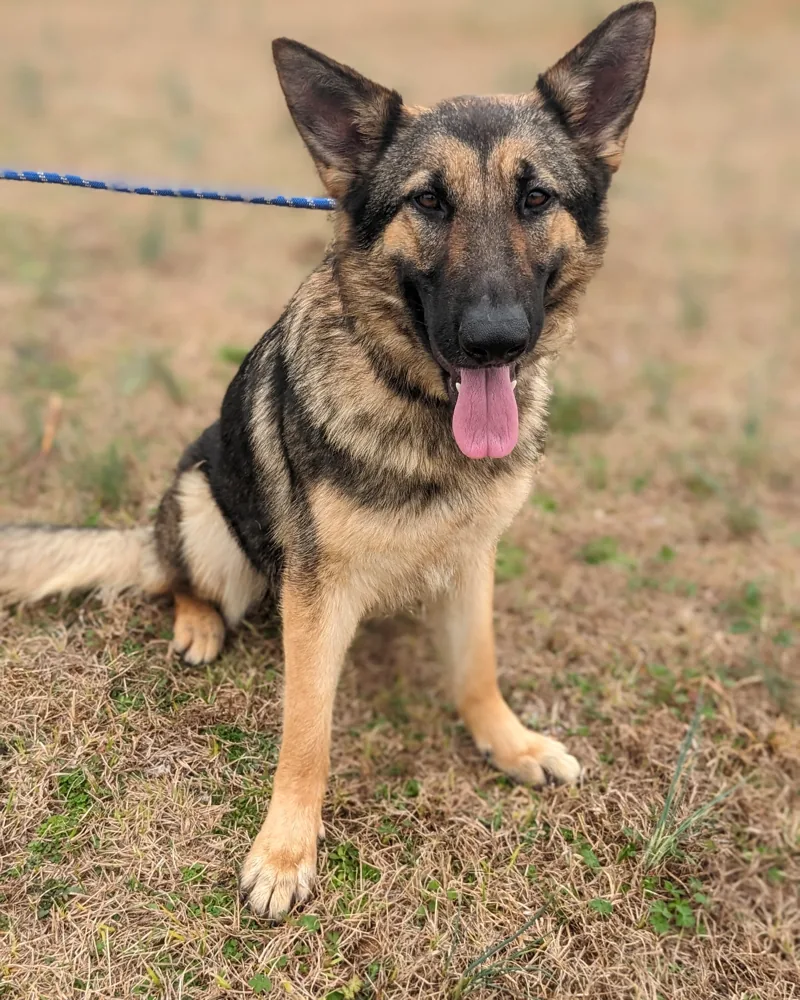
Living with a one-year-old German Shepherd can be an exciting and rewarding experience, but it’s important to be prepared for the unique challenges that come with owning a young and active dog.
One-year-old German Shepherds are typically full of energy and love to play, which means you’ll need to provide plenty of exercise and stimulation to keep them happy and healthy. This could include daily walks, trips to the park, or games of fetch in the backyard. It’s important to remember that German Shepherds are working dogs by nature and require plenty of physical and mental stimulation to thrive.
One-year-old German Shepherds are also known for their loyalty and affection towards their owners. They love to be close to their humans and may even follow you around the house or try to curl up on your lap for a cuddle. This can make for a wonderful companion animal, but it’s important to establish boundaries and rules early on to prevent separation anxiety or over-dependency.
It’s important to remember that one-year-old German Shepherds are still learning and may require ongoing training to reinforce good behaviors and discourage bad ones. This could include basic obedience training, socialization with other dogs and people, and addressing any potential behavior issues like chewing, digging, or barking.
Finally, living with a one-year-old German Shepherd also means being prepared for their protective instincts. German Shepherds are known for their loyalty and willingness to protect their owners, but this can also lead to aggression towards strangers or other dogs if not properly socialized and trained. Living with a one-year-old German Shepherd can be a wonderful and fulfilling experience as long as you are willing to put in the time and effort to provide them with the exercise, training, and socialization they need to thrive.
1 Year Old German Shepherd Behaviors
There are several behaviors exhibited by a one-year-old German shepherd. These behaviors vary, and may not be seen in every German shepherd.
High Energy Level
German Shepherds are a breed of working dogs that were originally bred for herding and guarding livestock. As such, they have a lot of energy and need plenty of exercises to maintain their physical and mental health. A one-year-old German Shepherd is still very much in their puppy phase and may have an especially high energy level compared to adult dogs of the same breed.
A high energy level in a one-year-old German Shepherd might manifest in several ways. For example, the dog may be very active and restless, constantly moving around and seeking stimulation. They may be eager to play, run, or engage in other physical activities. Without proper outlets for their energy, a one-year-old German Shepherd may become bored and destructive, chewing on objects or digging up the compound.
Playfulness
Playfulness is a common trait among German Shepherds, and it’s no different for a one-year-old dog. Play is an important part of a dog’s development, and it helps them to learn social skills, develop their physical abilities, and release pent-up energy.
A one-year-old German Shepherd may be especially playful, as they are still young and curious about their surroundings. They may enjoy games like fetch, tug-of-war, and chasing after toys or balls. They may also enjoy playing with other dogs, and socialization with other dogs is important for their development.
Curiosity
Curiosity is a natural trait among German Shepherds, as they are an intelligent and inquisitive breed. A one-year-old German Shepherd is still a young dog, and their curiosity may be especially strong as they explore their environment and learn about the world around them.
A one-year-old German Shepherd’s curiosity may manifest in several ways. They may be interested in new sights, sounds, and smells, and may be drawn to investigate new objects and places. They may also be curious about people, other animals, and their surroundings.
Biting
Biting is a common behavior among puppies, including one-year-old German Shepherds. As puppies, dogs explore the world with their mouths, and biting can be a natural part of this process. However, biting can also be a problematic behavior, particularly if the dog is using their mouth inappropriately or causing harm to people or other animals.
A one-year-old German Shepherd may still be in the process of learning appropriate biting behavior, and it’s important for owners to address biting early on.
Protectiveness
German Shepherds are known for their protective instincts, and a one-year-old German Shepherd may exhibit this trait in various ways. They may become alert and bark when they perceive a threat and may position themselves between their owner and the perceived danger.
Protectiveness is a natural trait among German Shepherds, and it can be both a positive and negative aspect of their personality. On the one hand, protectiveness can make German Shepherds great guard dogs and protectors of their family. On the other hand, it can also lead to aggression or overprotectiveness if not properly managed.
How Big is A 1-Year-Old German Shepherd?
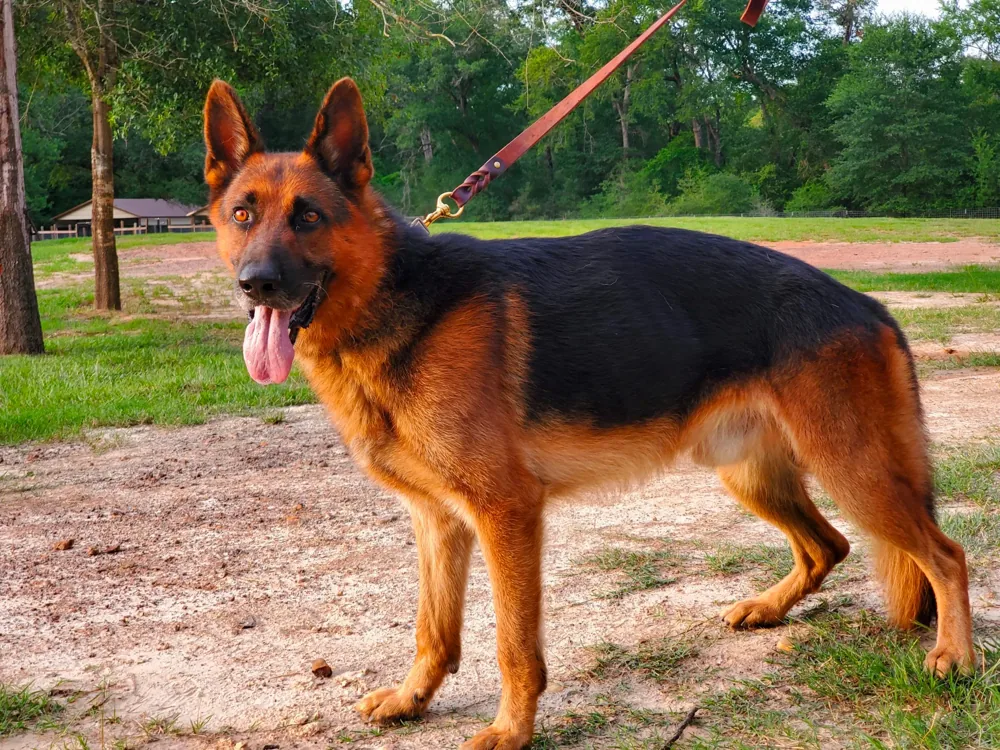
The size of a one-year-old German Shepherd is quite impressive. On average, they can weigh between 50 to 80 pounds and can stand anywhere from 22 to 26 inches tall at the shoulder. Male German Shepherds tend to be larger than females and can weigh up to 90 pounds.
Their size can make them intimidating to some, but they are gentle giants at heart. They are known for their loyalty and devotion to their owners, and their size adds to their protective nature. A well-trained and socialized German Shepherd can make an excellent addition to any family.
It is essential to note that while they are large dogs, they still need ample exercise and mental stimulation. They thrive on activities such as long walks, runs, and playing fetch. Without enough exercise and stimulation, they can become bored and develop destructive behavior.
A one-year-old German Shepherd is a big dog, but their size is only one aspect of their personality. They are known for their loyalty, intelligence, and protective nature. With proper training and exercise, they can be a great addition to any family.
How Much To Feed A German Shepherd At 1 Year Of Age
At 1 year of age, a German Shepherd has grown significantly and will require more food to meet their nutritional needs. Generally, a 1-year-old German Shepherd should consume between 2-3 cups of high-quality dry food per day, split into two meals. However, the exact amount of food required can vary depending on factors such as the dog’s weight, activity level, and metabolism.
It’s important to monitor the dog’s weight and adjust their food intake accordingly to prevent overfeeding or underfeeding. Overfeeding can lead to obesity and related health problems, while underfeeding can result in malnutrition and stunted growth.
In addition to providing the appropriate amount of food, it’s crucial to choose high-quality dog food that meets the dog’s nutritional requirements. Look for a brand that contains high-quality protein sources, healthy fats, and a balance of vitamins and minerals.
It’s also important to provide plenty of fresh water at all times to keep the dog hydrated and healthy. By providing proper nutrition and hydration, you can help ensure that your 1-year-old German Shepherd stays healthy and happy for years to come.
How Much Sleep Does Your 1-Year-Old German Shepherd Really Need?
Like with any other breed of dog, the amount of sleep a 1-year-old German Shepherd puppy requires can vary from one dog to another. However, most 1-year-old German Shepherds need between 12-14 hours of sleep per day, including naps during the day and a full night’s rest.
It’s important to note that puppies are growing and developing rapidly during this time, and sleep plays a crucial role in their overall health and well-being. During sleep, their bodies and brains are actively working to repair and develop, so getting enough rest is vital to their growth and development.
It’s also important to establish a regular sleep routine for your 1-year-old German Shepherd. This can help them feel more secure and comfortable, leading to better quality sleep. Make sure to provide a comfortable and cozy sleeping area for your pup, and try to stick to a consistent bedtime routine.
If you notice that your 1-year-old German Shepherd is not getting enough sleep or seems restless during the night, it may be a sign of an underlying health issue. In this case, it’s best to consult with your veterinarian for advice and potential treatment options.
Exercising and Training Your 1-Year-Old German Shepherd
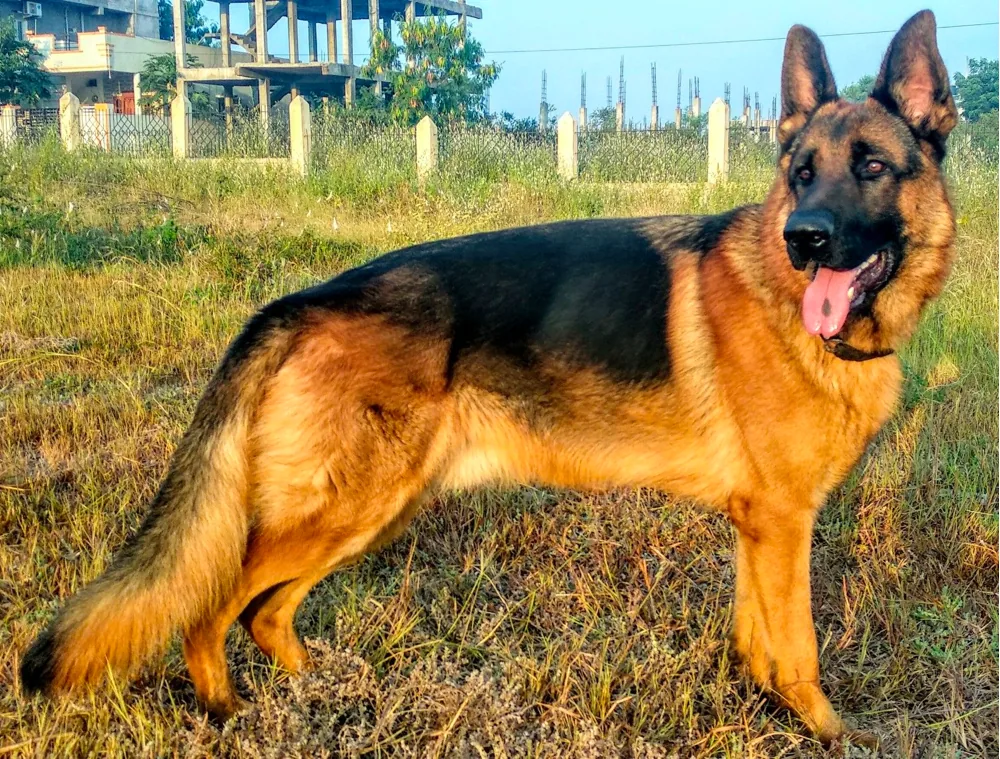
Exercising and training a one-year-old German Shepherd companion is essential to keep them healthy, happy, and well-behaved. German Shepherds are active dogs and require a lot of exercises to burn off their energy. A lack of exercise can lead to destructive behavior, so it’s important to provide them with regular physical activity.
When it comes to exercising a one-year-old German Shepherd, it’s important to remember that they are still growing and developing. You should avoid intense exercises, such as long runs or high jumps until they are fully grown, which typically happens between 18 to 24 months of age. Instead, focus on moderate exercises, such as walks, hikes, and playtime in a fenced yard. Aim for at least 60 minutes of exercise per day, broken up into several sessions.
In addition to physical exercise, training is also crucial for a one-year-old German Shepherd. They are intelligent and eager to learn, so training sessions can be a fun bonding experience for both you and your dog. Training should focus on basic commands, such as sit, stay, come, and heel, as well as socialization with other people and dogs. Positive reinforcement techniques, such as treats and praise, are the most effective way to train a German Shepherd.
It’s important to note that training and exercise should be tailored to your individual dog’s needs and abilities. Some German Shepherds may require more exercise or training than others, and it’s important to be aware of any physical limitations or health issues. Consult with your veterinarian or a professional dog trainer to create a personalized plan for your one-year-old German Shepherd.
How Healthy Is The 1-Year-Old German Shepherd?
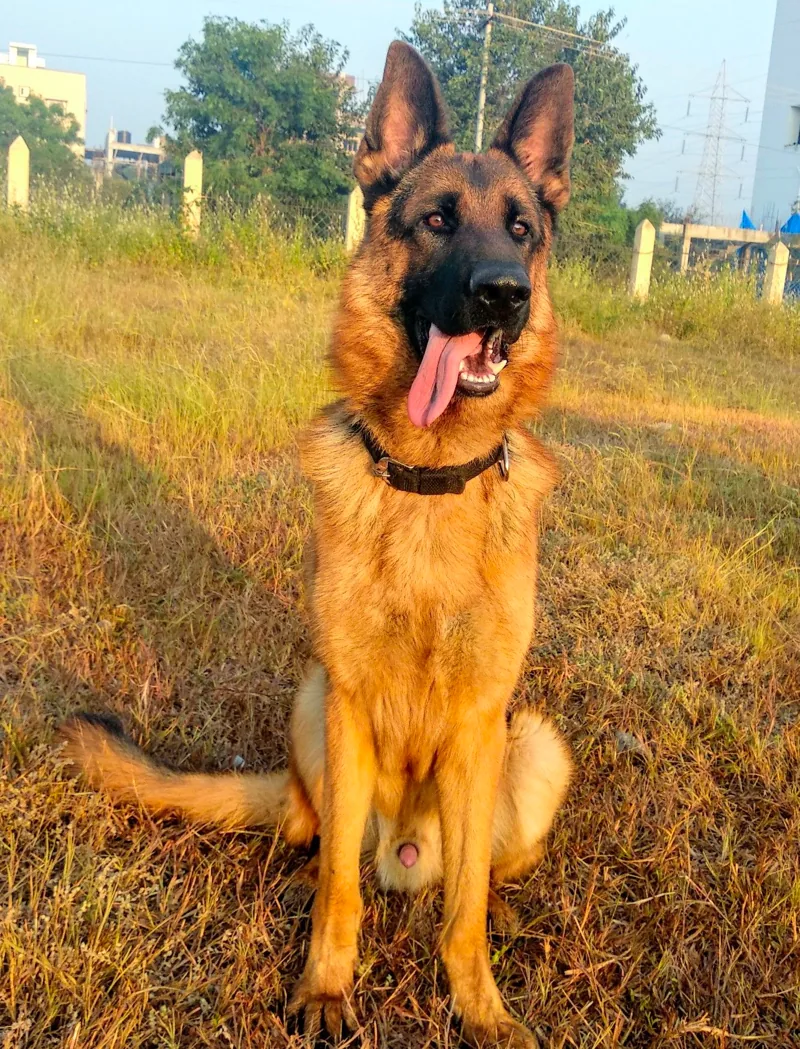
A one-year-old German Shepherd should be in good health if they have been properly cared for since birth. They should have received all of their necessary vaccinations and have been given regular check-ups by a veterinarian to ensure that they are growing and developing properly.
As a large breed, German Shepherds are prone to certain health issues, such as hip dysplasia and bloat. Regular exercise, a healthy diet, and routine veterinary care can help prevent or manage these conditions. It is also important to monitor their weight and avoid overfeeding, as obesity can contribute to health problems.
Maintaining good dental hygiene is also important for a one-year-old German Shepherd’s overall health. Regular teeth cleaning and providing dental chews or toys can help prevent dental issues.
It’s important to keep in mind that each dog is unique and may have individual health needs. Regular veterinary check-ups and communication with your veterinarian can help ensure that your one-year-old German Shepherd is in good health and receiving the best care possible.
1 year old German Shepherd Pregnant
Are you thinking of breeding a one year old German shepherd? You should understand that breeding a one-year-old dog, regardless of breed, can be risky and is not recommended by most veterinarians. Dogs that are bred too young may be more likely to experience complications during pregnancy and childbirth, such as difficulty giving birth, infections, or even death.
Additionally, breeding a one-year-old German Shepherd could contribute to overpopulation and the proliferation of unhealthy or poorly bred dogs. It’s important to carefully consider the decision to breed any dog, and to work with a reputable breeder or veterinarian to ensure that the dog is physically and emotionally ready for breeding.
You need to carefully consider the risks and ethical considerations before making the decision to breed any dog. It’s always best to consult with a veterinarian or reputable breeder for guidance and support on this important decision.
Final Thoughts
Owning a one-year-old German Shepherd can be a rewarding experience for anyone who is willing to put in the time and effort required to take care of this breed. These dogs are highly intelligent, loyal, and energetic, and require a lot of exercise, training, and attention to keep them happy and healthy.
As responsible owners, it is important to provide them with a nutritious diet, plenty of exercise, and regular veterinary check-ups to ensure they stay healthy. With proper care and attention, a one-year-old German Shepherd can live a long, happy, and fulfilling life with you as their companion.
However, it is also important to note that this breed may not be suitable for everyone. They require a lot of time and attention, and may not be suitable for someone who cannot commit to their needs. Don’t forget to visit us again to read more exciting articles, and always stay devoted to dogs.
At this age the coat has usually settled too, so how often to bathe an adult Shepherd becomes the practical question.
Why the joints get so much attention in this breed
The emphasis on growth, exercise and neuter timing is not fussiness. A VetCompass study of 12,146 German Shepherds found the most common causes of death were “musculoskeletal disorder (16.3%), inability to stand (14.9%), neoplasia (14.5%) and spinal cord disorder (13.6%)” (O’Neill DG, Coulson NR, Church DB, Brodbelt DC, “Demography and disorders of German Shepherd Dogs under primary veterinary care in the UK”, Canine Genetics and Epidemiology 2017;4:7, retrieved 2026-08-13).
Take the first, second and fourth together and roughly 45% of deaths in that study relate to the dog losing the use of its back end. That is the shape of the breed’s health story, and it is why decisions made in the first eighteen months carry further here than in most breeds.
Three things are within your control while the dog is growing:
- Keep the puppy lean. Overweight is one of the five most commonly recorded disorders in the breed, and extra weight on growing joints is the cheapest problem to avoid.
- Build fitness gradually and avoid repetitive high-impact work while the dog is still growing: long forced runs, repeated jumping, and stairs taken at speed.
- Give the dog non-slip footing at home. A big puppy sliding on laminate is doing its joints no favours.
What is not in your control is what the parents were. Hips cannot be screened in a young puppy, which is exactly why the parents’ grades matter: the OFA scale runs Excellent, Good, Fair, Borderline, Mild, Moderate and Severe (OFA, retrieved 2026-08-11), and those results are public and searchable.
The decision this age actually turns on: when to neuter
Most owners are told six months, more or less by default. In this breed there is a study with real numbers that says the timing matters, and it is worth seeing them before the appointment is booked.
Researchers at the University of California, Davis examined records for 1,170 intact and neutered German Shepherd Dogs over a 14.5-year period. What they found on joint disorders, which are the defining health problem of this breed:
| Left intact | Neutered before 1 year | |
|---|---|---|
| Males with one or more joint disorders | 7% | 21% |
| Females with one or more joint disorders | 5% | 16% |
| Females with urinary incontinence | not diagnosed | 7% |
In the authors’ words: “In intact males, 7% were diagnosed with one or more joint disorders, while in males neutered prior to a year of age, a significantly higher 21% were diagnosed”, and “In intact females, 5% were diagnosed with one or more joint disorders, while in females neutered prior to a year of age, this measure was significantly increased to 16%”. They also record that “Urinary incontinence, not diagnosed in intact females, was diagnosed in 7% of females neutered before 1 year” (Hart BL, Hart LA, Thigpen AP, Willits NH, “Neutering of German Shepherd Dogs: associated joint disorders, cancers and urinary incontinence”, Veterinary Medicine and Science, 2016, retrieved 2026-08-13).
Three cautions, because this finding gets over-read in both directions.
It is an association from hospital records, not a controlled trial, and the population is one referral hospital’s caseload. It is breed-specific: figures for German Shepherds do not transfer to other breeds, and the same research group found different patterns elsewhere. And it says nothing about the reasons people neuter in the first place, which are real and include population control, behaviour, and conditions of an adoption contract.
What it does support is a specific, answerable question for your own vet: is there a reason not to wait until this dog is over a year old? That is a better conversation than a default date, and in a breed where the joints are the thing that fails, it is the conversation worth having.
Training at this stage, and the advice to ignore
A German Shepherd puppy learns quickly, including things nobody meant to teach it. Two points are worth stating plainly because the internet is full of the opposite.
Method. The American Veterinary Society of Animal Behavior recommends “that only reward-based training methods are used for all dog training, including the treatment of behavior problems”, and states it “does not support the use of aversives in any context, regardless of the tools used or the trainer’s level of experience” (AVSAB Humane Dog Training Position Statement, retrieved 2026-08-12).
And it works better, which is the part people assume is a trade-off. AVSAB cites Hiby and colleagues (2004), who found “obedience levels of dogs highest for dogs trained exclusively with reward-based methods and lowest for dogs trained exclusively with aversive-based methods” (AVSAB, 2021, retrieved 2026-08-12).
Screening a trainer. AVSAB gives a rule you can apply on the phone: “if a trainer is observed using aversive training methods or if a trainer discusses out-dated ideas such as dominance, leader of the pack, or alpha theories, then clients should be advised against hiring them” (retrieved 2026-08-12).
If you have read that a puppy this age is testing your authority, our article on why the pack-leader idea was withdrawn covers where that came from, including the retraction by the biologist who popularised the wolf model behind it.
What a year old actually means in this breed
A one-year-old German Shepherd looks adult and is not. Growth plates are closing around this age, muscle and chest are still filling out, and the dog will usually keep maturing physically until two, and mentally for longer.
That gap is why this is the age where owners most often get it wrong in both directions: expecting adult self-control from a dog that has not developed it, and starting adult-level exercise on a frame that has only just finished growing.
It is also the age at which the neuter evidence below stops being theoretical.
Disclaimer: PetVR shares general information based on our contributors’ firsthand experience with German Shepherds — it is not veterinary advice. Always consult a licensed veterinarian about your dog’s health, diet, or behavior. Read our full disclaimer.
 8 Month Old German Shepherd: Independent, Mature and Protective