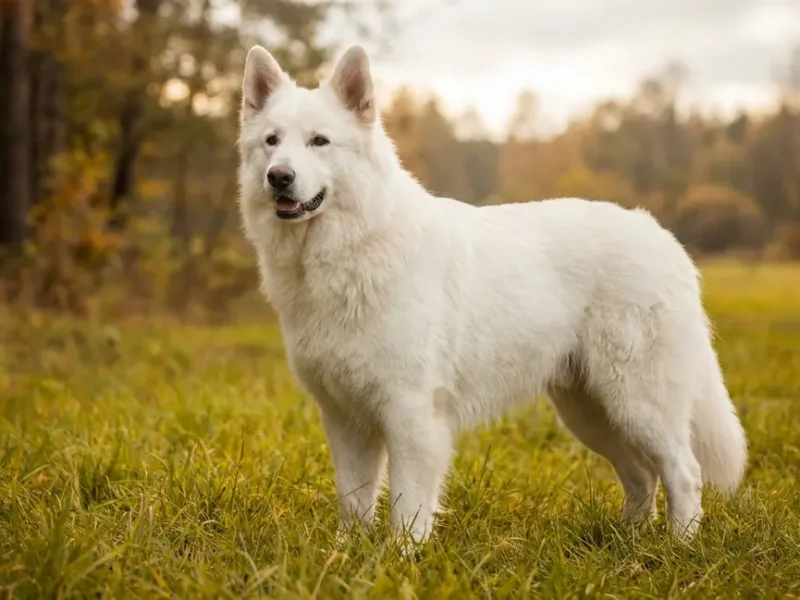
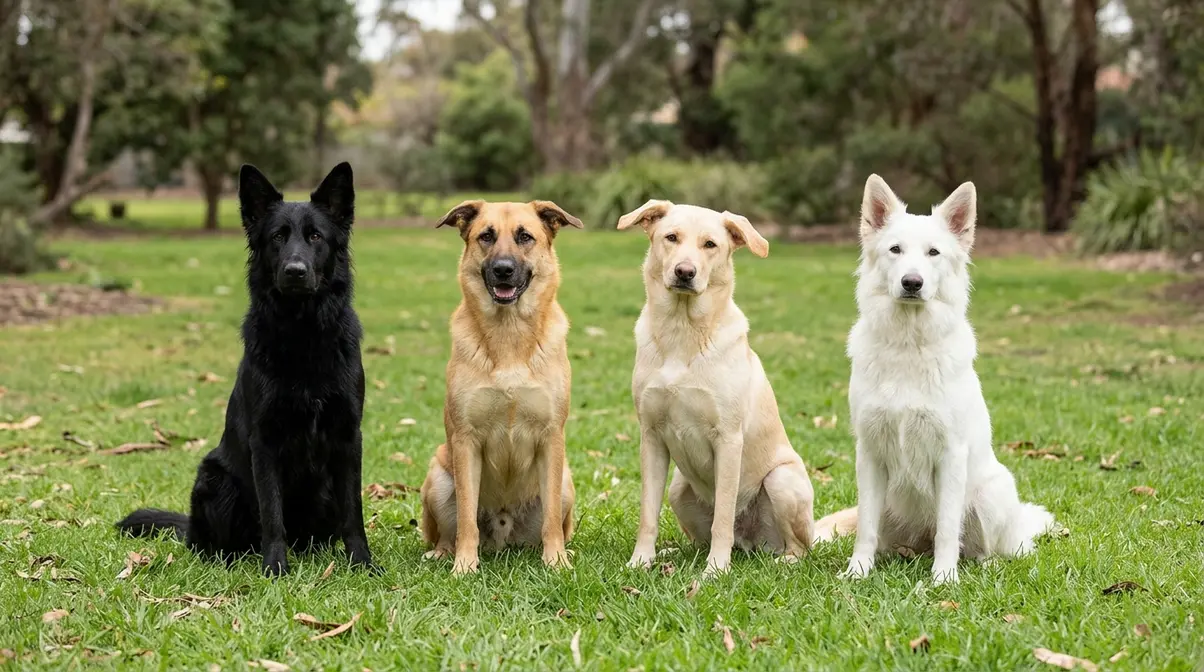
Picture a big, fluffy white dog with a Shepherd’s frame and a Lab’s friendly face, bounding across a park. That is the image most people have of a white Sheprador, the nickname for a German Shepherd and Labrador Retriever cross. The white or cream coat comes from the white German Shepherd or yellow Lab side of the family, and traits vary from dog to dog, even inside one litter.
Maybe someone told you your white puppy is a Shepherd Lab mix and you want to check the claim. This guide joins three things that rarely appear together: how the coat genetics work, how to test what your dog really is, and what that means for care. You’ll get the coat genetics, a way to tell the mix from a white GSD, an albino or a White Swiss Shepherd cross, then size, temperament, shedding and lifespan.
Here is the key genetic point. White dogs must carry two copies of a recessive gene, and it is not known how often breeds mix two different recessive versions (Frontiers in Veterinary Science, 2015). A pale parent alone does not guarantee a pale puppy. If you want the wider picture of crosses, see our guide to German Shepherd mixes.
This is educational, not veterinary advice. For anything about your own dog’s health, talk to your vet.
- A white or cream Sheprador takes its coat from a white German Shepherd or yellow Lab parent, and the result varies from dog to dog.
- A white mix needs the right recessive genes from both parents, so one pale parent does not guarantee a white puppy.
- Albino dogs lack pigment, with pink eyes and nose, while white dogs have normal pigment. Parentage is the surest check.
- The mix is a large dog, and its exact size depends on the parents.
- It suits active, engaged households that give time, training and company.
- Expect regular shedding, a seasonal coat blow, and hip screening of the parents.
Table of Contents
- What Does a White German Shepherd Lab Mix Look Like?
- How Does a Lab and Shepherd Cross End Up White?
- Is Your White Dog Really a Shepherd Lab Mix?
- How Big Does a German Shepherd Lab Mix Get?
- Is a Lab Shepherd Mix a Good Family Dog?
- What Training and Exercise Does It Need?
- How Much Does a White Shepherd Lab Mix Shed?
- Lifespan and Health Risks, Including White-Coat Concerns
- How Do You Choose a Responsible Source for a White Puppy?
- What Is the Best German Shepherd Mix?
- When a White Sheprador May Not Be the Right Dog
- Next Steps
- FAQ
What Does a White German Shepherd Lab Mix Look Like?
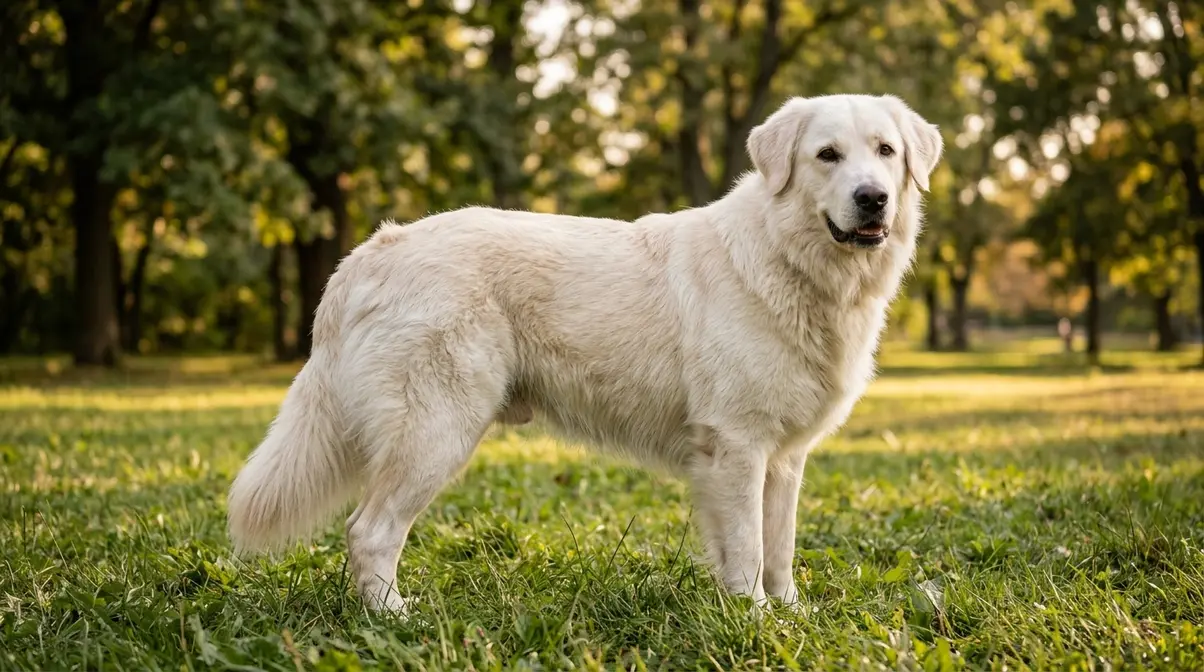
Say you’re holding a photo of a white puppy and wondering which parent it takes after. A German Shepherd Lab mix looks different from dog to dog, because a Sheprador is a mixed breed and puppies take traits unpredictably from each parent. The white or cream coat comes from the white German Shepherd or yellow Lab side.
Sheprador is the nickname for a cross between a German Shepherd and a Labrador Retriever. There is no fixed type, so think of a range. Many white or cream dogs have a thick double coat, which is a soft insulating undercoat beneath a longer outer coat. Some have a Shepherd’s frame and upright, alert look, while others have the broader, softer Lab face. Black-and-white dogs turn up too, and puppies often look fluffier and lighter than they will as adults.
Temperament splits the same way. The Shepherd parent was bred for herding, and PDSA says German Shepherds are loyal, intelligent and love to be kept active, so can be easy to train (PDSA). The Lab side often shows up in the face and friendliness. One reader on Quora described a dog with an adorable Lab face and personality (Quora).
Colour is the clearest clue to which side contributed what. Here is the general pattern:
| Coat colour | Parent line it usually comes from |
|---|---|
| White | A white German Shepherd parent, or a pale yellow Lab line |
| Cream | A white German Shepherd or a yellow Lab parent |
| Yellow | The yellow Lab side |
| Black | A black German Shepherd or black Lab parent |
Treat this table as a guide, not a prediction. A single puppy can’t be read like a recipe, and only parentage or a DNA test shows what really went into the cross.
How Does a Lab and Shepherd Cross End Up White?
A white mix is possible, but it needs the right genes from both parents. A white or cream coat comes from the pale end of the pigment range plus recessive genes in the parents.
Start with the terms. Pheomelanin is the red-to-yellow pigment in dog coats. Dogs that make only pheomelanin vary in intensity from white to deep red (G3: Genes, Genomes, Genetics, 2022). That range is why a “white” dog, a cream dog and a pale yellow dog can share the same basic pigment and differ only in how much of it shows. A recessive allele is a gene version that shows only when a puppy inherits it from both parents. A dominant one shows even with a single copy.
Because the alleles are recessive, white dogs must be homozygous for a recessive allele, meaning they carry two copies. It is also not known how often breeds mix two different recessive alleles (Frontiers, 2015). So a white German Shepherd crossed with a black Lab may well give dark puppies that carry the white gene unseen. A mix cannot be assumed white because one parent is. Think of each parent handing over one copy of each gene at random. A pale gene on only one side usually stays hidden, and it takes a second copy from the other parent to show.
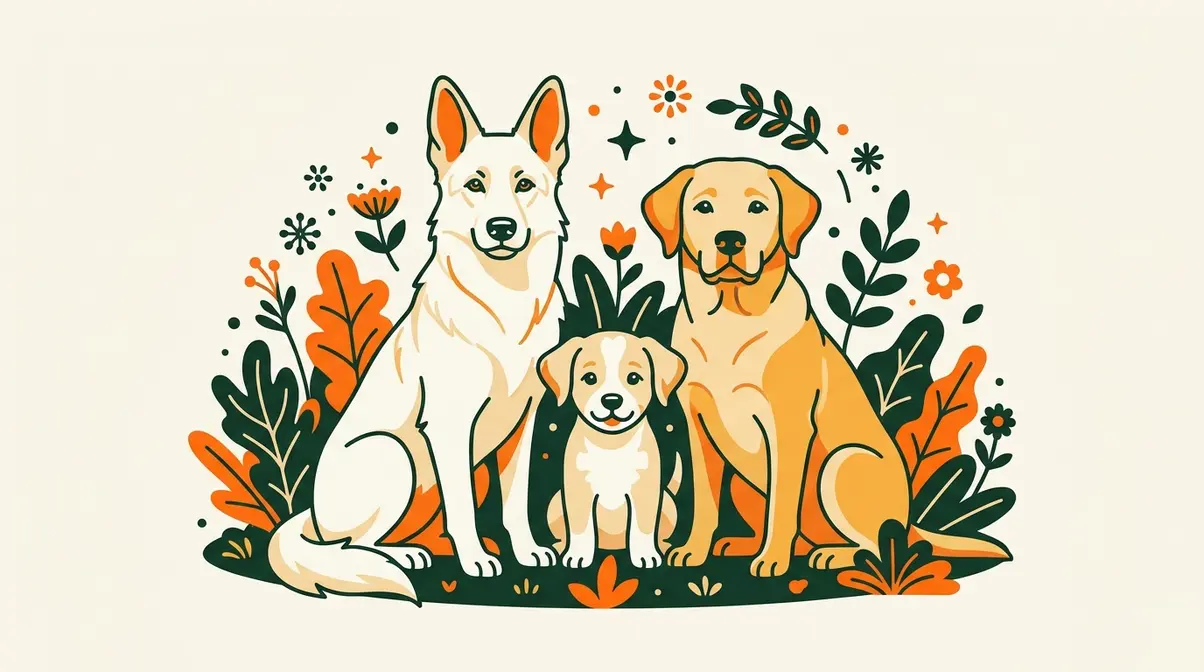
Picture a reader who sees a cream puppy from two differently coloured parents and doubts the story. It can be true. Two parents that each carry a hidden recessive pale gene can produce a cream puppy even if neither looks pale. It can also be false, and that is why a pedigree check matters. A litter can hold several shades because each puppy gets its own random mix of copies.
Light coats have deep roots. Natural selection for a lighter coat during the Pleistocene provided the genetic framework for widespread colour variation in dogs and wolves (Nature Ecology & Evolution, 2021). That helps explain why pale shades keep appearing across breeds.
Can a German Shepherd be black or other colours? Yes. The breed comes in black, tan and other colour patterns as well as white, and we leave out percentages. How rare a white GSD is cannot be stated here, so treat any claim of “ultra rare” with caution. For related reading, see other coat colour variants explained and how coat colour patterns are inherited.
Puppy shades often change as the dog grows. A cream puppy may lighten or deepen, and a coat that looks white at eight weeks may read as cream in daylight later. Don’t judge the final colour from a single early photo, and don’t pay extra on the strength of it.
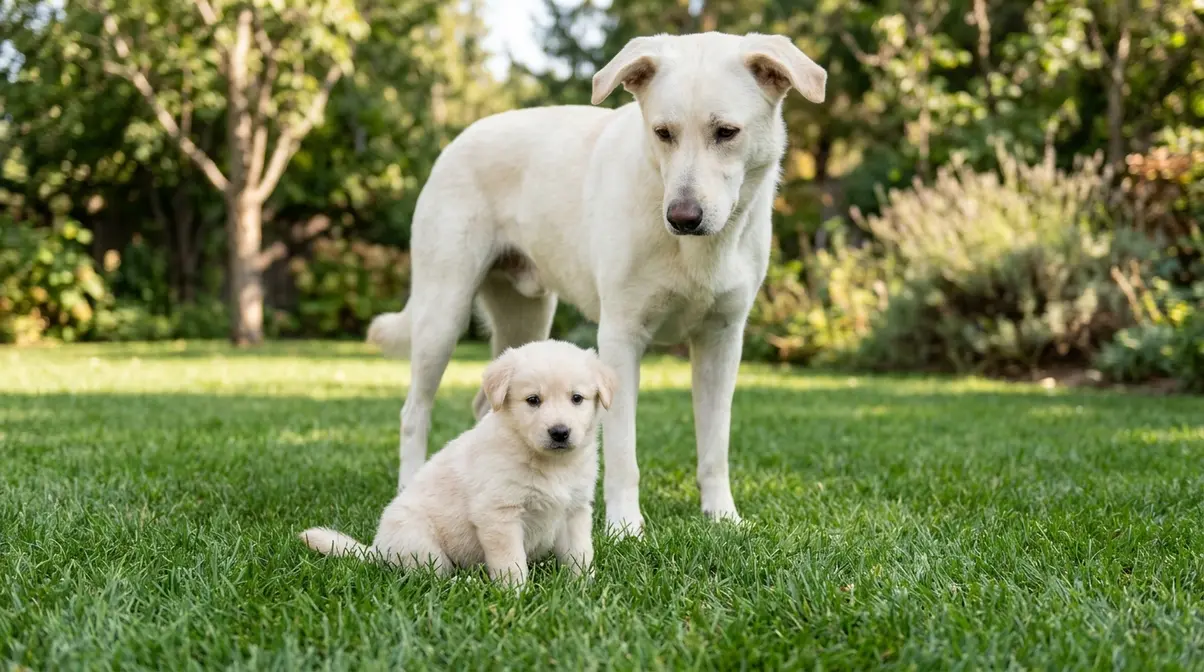
Is Your White Dog Really a Shepherd Lab Mix?
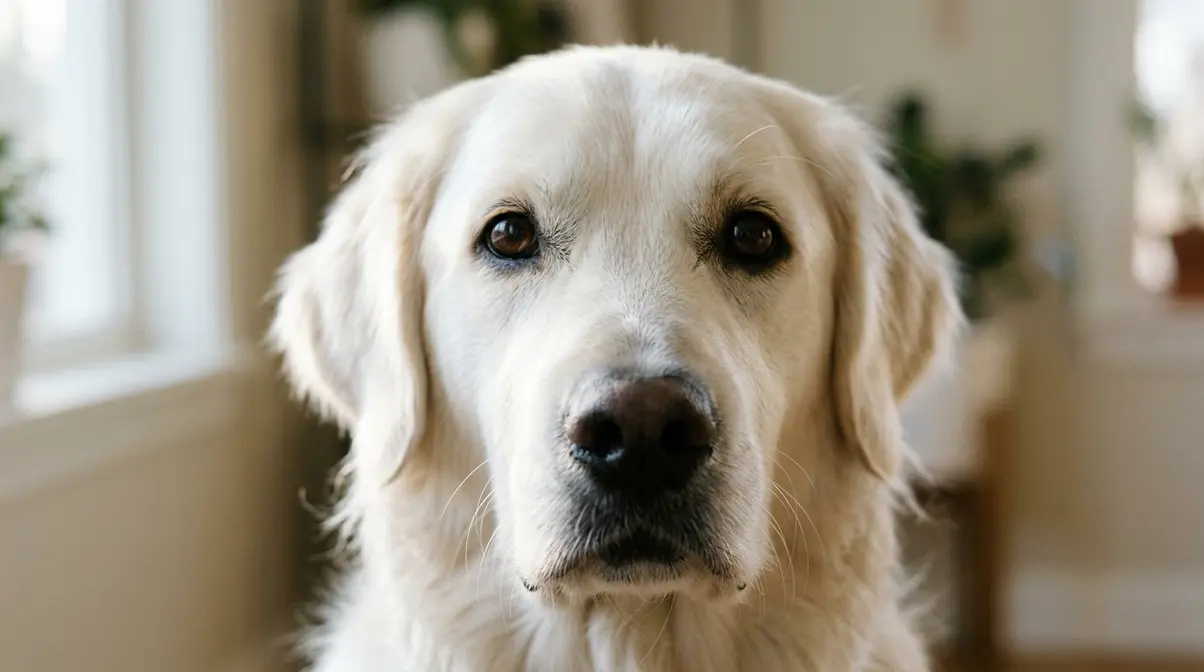
Start with the pigment test: albino means no pigment, so look at the eye and nose colour. A white dog with dark eyes and a dark nose has normal pigment, so it is not albino. The Royal Kennel Club describes albinism as lacking pigmentation, usually with a white coat, pink eyes and nose (The Royal Kennel Club).
Here is a checklist you can run at home, for example when a shelter listing calls a white dog a GSD mix:
- Check eye colour. Brown or amber eyes point to normal pigment. Pink or very pale eyes need a vet’s look.
- Check the nose, lips and eye rims. Dark skin there means pigment is present. Pink skin all over is a flag.
- Look at the coat. A thick double coat fits a Shepherd line, but looks alone don’t prove breed.
- Ask for parentage papers. Registration or pedigree records are the surest check of whether you have a white GSD, a mix or a White Swiss Shepherd cross.
- Consider a DNA test. When parentage is unknown, a DNA test or your vet can help narrow it down.
A white coat is not albinism. A white German Shepherd is a pigmented dog whose coat is white because of its genes. A White Swiss Shepherd is a separate white-coated breed, so a cross with one can look much like a white GSD. See our explainer on the purebred white German Shepherd for that comparison.
How Big Does a German Shepherd Lab Mix Get?
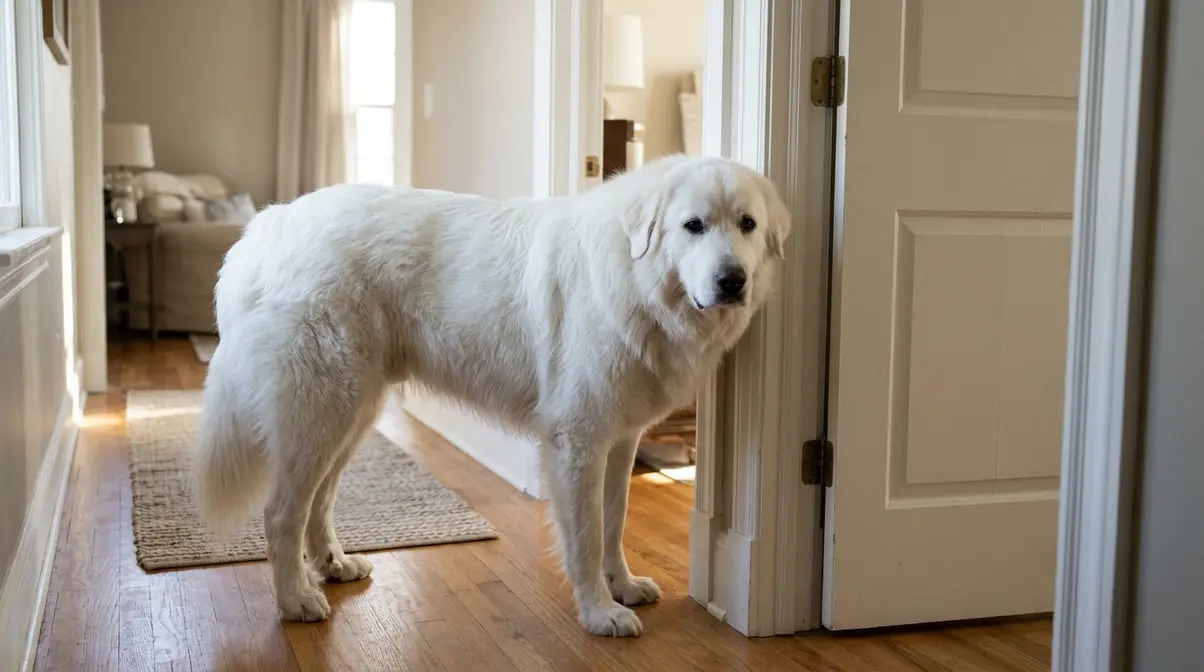
A purebred German Shepherd averages 58 to 63 cm tall and 35 to 43 kg (PDSA). Those are Shepherd parent figures, not mix figures. The mix is a large dog, and its exact size depends on which parents it has.
Sources disagree because the parents differ. One YouTube channel, Anything German Shepherd, notes that with mixed breeds it’s hard to give a definite answer about size. A Lab parent may pull the frame broader or shorter, while a bigger Shepherd line may push it up. Two puppies from the same litter can even end up noticeably different, since each inherits its own blend of genes.
Picture a flat dweller wondering whether the dog will outgrow the home. Plan for a big dog, not a medium one. Even a lighter dog needs room to turn, stretch and lie down, and a growing puppy can add bulk quickly. Think about stairs, lifts, car boot space and the width of your hallway before you commit, not after.
What should you do? Ask to see both parents, since their size is the best guide you will get. Treat the parent figures above as a benchmark for one side only, and expect the mix to land somewhere around or between its parents rather than on a fixed number. For puppies, our guide on how big a puppy will grow helps.
This guidance has limits. A rescue dog of unknown parentage can’t be sized from either parent, so a vet’s view of frame and growth is more useful than any breed average.
Is a Lab Shepherd Mix a Good Family Dog?
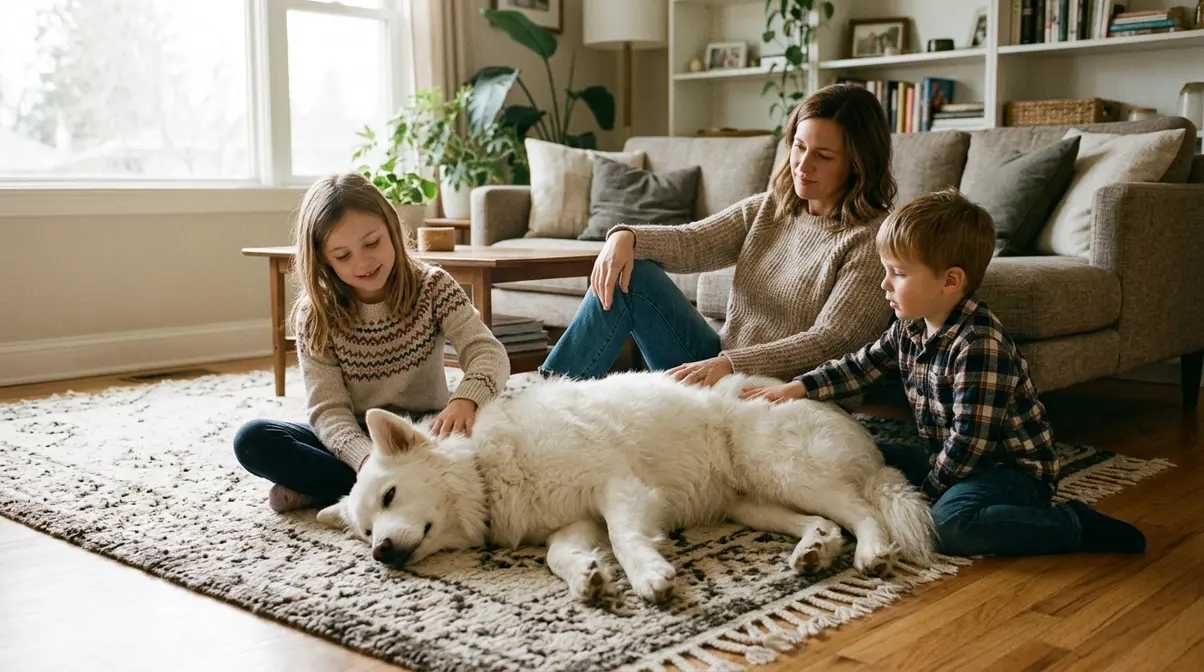
A Sheprador suits active, engaged households and not people who cannot give time and training. Is a Sheprador a good dog? Often yes, when the fit is right. PDSA says German Shepherds are very loyal, intelligent and love to be kept active (PDSA).
Is the German Shepherd and Lab mix a good one? It can be, because it blends a trainable working breed with a sociable retriever. The result still varies by dog, so treat it as a fit decision, not a verdict.
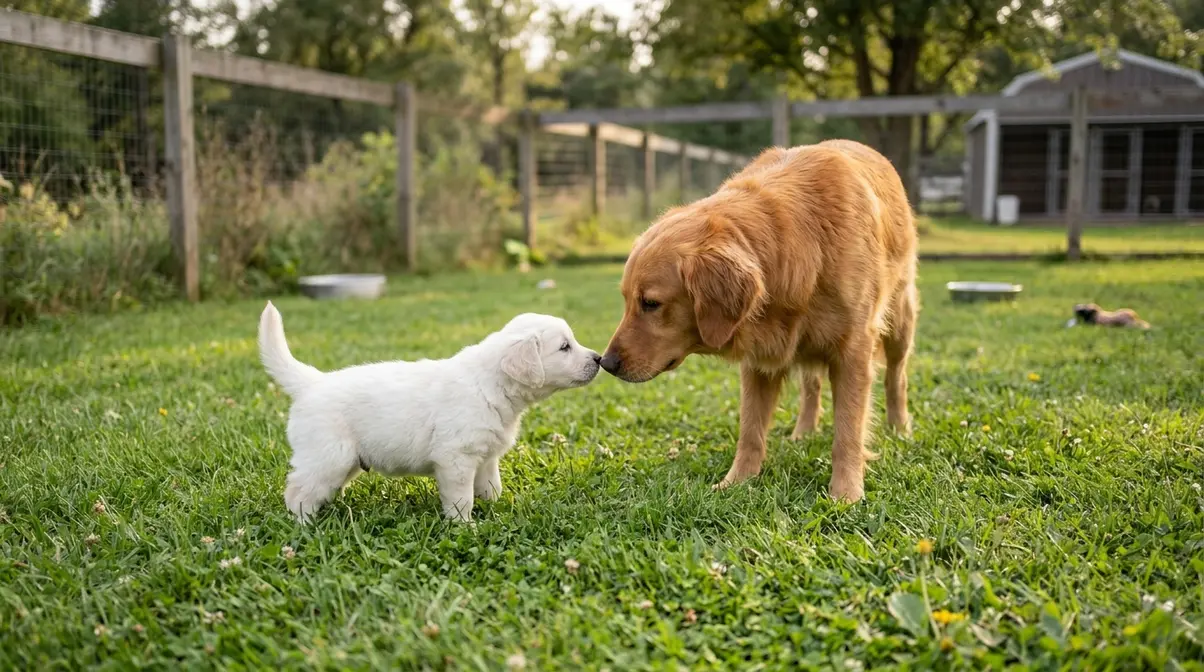
Do German Shepherds only bond with one person? No. They often bond closely with their household, and early socialisation helps. Puppies of all breeds have a socialisation window that closes at 12 to 16 weeks, so exposing a puppy to people, places and sounds early matters (American Kennel Club). A dog that meets friendly visitors, children and busy streets while young is likelier to stay relaxed around them later.
A working couple may wonder about long days away. No safe number of hours alone can be given. Company matters, and the dog needs gradual practice at being alone, starting with short absences and building slowly. A bored, lonely dog may bark, chew or pace. Dogs that struggle alone may need extra help, and our piece on dogs that struggle when left alone covers that. Protective instincts need shaping too, and protective training for a Shepherd is worth reading.
A quick fit checklist:
- You can give daily activity and training.
- Someone is home or nearby for much of the day.
- You are fine with a large, shedding dog.
Who should not own one? People without time, exercise or training capacity should look elsewhere. The same goes for anyone who wants a low-effort pet, since this cross rewards effort and punishes neglect.
What Training and Exercise Does It Need?
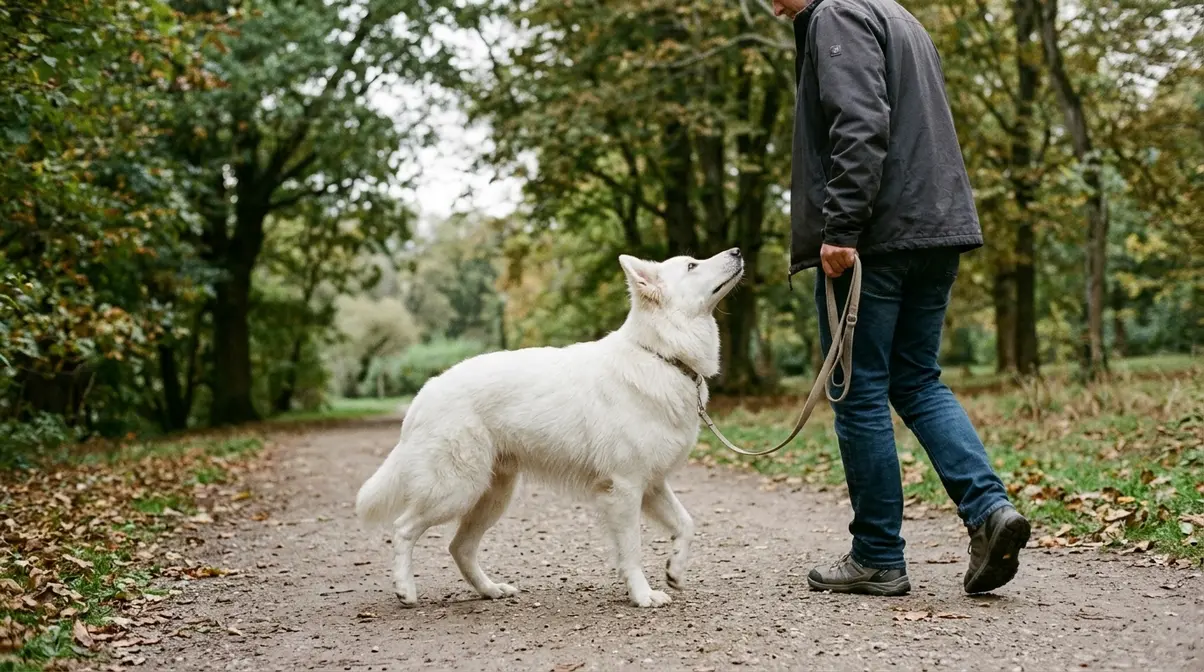
The dog needs daily activity plus mental work, starting early. PDSA says German Shepherds love to be kept active and can be easy to train (PDSA).
Think of a young dog that chews furniture when under-exercised. That’s usually unspent energy, not spite. Physical exercise tires the body, but mental work tires the mind, and a smart dog needs both. Try these steps:
- Socialise early. Meet people, dogs and places while the puppy is young.
- Train in short sessions. Brief, upbeat lessons hold attention better than long drills.
- Add mental games. Scent games, puzzle feeders and new tricks tire the mind.
- Keep walks varied. Change routes so the dog meets new smells.
A simple weekly routine: a daily walk, a few short training sessions, one longer outing, and a couple of mental games. No exact minutes can be given, so watch the dog. A calm, settled dog after activity is a good sign. A dog that still paces, whines or tears up cushions needs more, or different, work.
Expect adolescence to last. A German Shepherd Dog may not reach adult maturity before two or three, and males tend to reach it later than females (AKC). A Sheprador may do the same, so stay patient. Training that seemed solid at one year can wobble again in the teenage months, so keep practising rather than assuming it is finished.
One limit: a dog with a painful joint or a vet-advised rest period needs a changed routine, so check with your vet first. See daily exercise targets by age for more.
How Much Does a White Shepherd Lab Mix Shed?
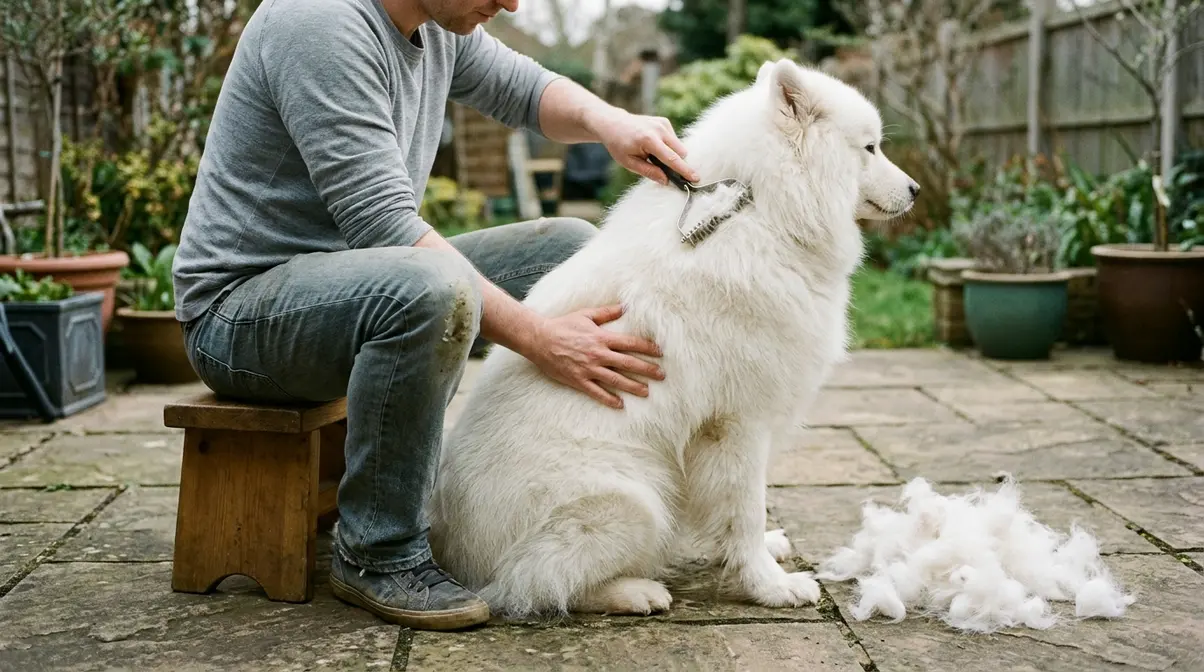
White fur on dark sofas is usually the first sign. Expect regular shedding from this double coat, plus a heavier seasonal blow when the undercoat comes out in clumps.
Here’s a brushing routine checklist:
- Use an undercoat rake to lift loose fur.
- Follow with a slicker brush to smooth the outer coat.
- Work in sections, and go slowly over the thighs, ribs and behind the ears.
- Brush more during the seasonal blow, when shedding peaks.
- Bathe only when needed, using a dog shampoo, and rinse well.
- Dry fully, since damp undercoat can irritate skin.
Shaving a double coat is not a fix. The coat helps regulate temperature, so brushing does the job better. Keep a lint roller and washable throws handy. White coats also show dirt, so expect mud to be visible after wet walks. For more detail, read our step by step double-coat grooming guide.
Lifespan and Health Risks, Including White-Coat Concerns
A purebred German Shepherd lives over 10 years on average (PDSA). That is the parent figure, and a mix’s lifespan varies. Nothing here gives one number for the Sheprador, so treat the parent figure as a rough benchmark for one side of the family.
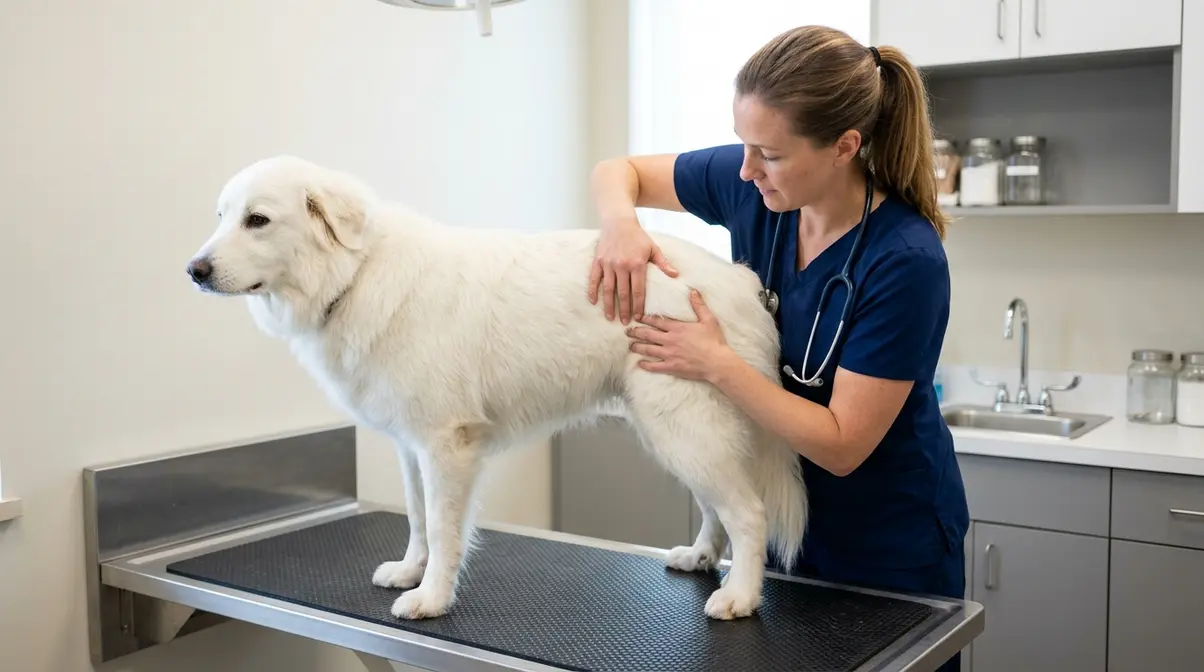
Hip dysplasia is a main shared risk. It is much more common in medium to large breeds, including Labradors and German Shepherds (PDSA, 2019). Because both parent breeds are affected, a cross can’t be assumed safe. Before breeding, dogs should be screened by x-rays through the BVA/Kennel Club Hip Dysplasia Scheme (PDSA). So a buyer should ask a breeder whether the parents were hip scored, and ask to see the results rather than accept a verbal assurance.
A white coat does not mean albino or unhealthy by default. Still, ask your vet about white-coat concerns: sun sensitivity, skin, eyes and hearing, including deafness. Pale skin can burn more easily, so shade and care in strong sun make sense. See a vet promptly if your dog squints in bright light, scratches skin that looks red, or doesn’t respond to sounds.
The single leading cause of death in German Shepherds is not stated here. Focus on screening, healthy weight and regular checkups. Keeping a large dog lean takes strain off its joints, which matters for any hip problem. This section is educational, not veterinary advice, and it can’t replace an exam. Skin issues are covered in common skin problems in Shepherds.
How Do You Choose a Responsible Source for a White Puppy?
Judge a source by its openness about health testing, not by colour claims. CVS Vets says ethical sourcing begins with choosing a breeder that has the puppy’s best interests at heart (CVS Vets). A seller advertising a rare white puppy at a premium is selling colour, and colour is not proof of quality.
Why does this matter? Colour is easy to advertise and hard to verify, while health and temperament are what you live with for years. A seller who leads with “rare” and says little about the parents is showing you where their priorities lie.
Use this checklist:
- Ask for health test evidence. CVS Vets says a breeder should be willing to discuss health or genetic problems and give you evidence of relevant health testing in their breeding stock (CVS Vets).
- Meet the parents. See their size, manner and condition.
- Check colour claims against parentage. Ask for pedigrees and compare them with the story.
- Ask about hip scores for both parents.
- Walk away from pressure. Rushed deposits are a red flag.
A buyer who is told the puppy’s white coat means it is “pure” and special should not take that at face value. The sensible reply is to ask which two parents produced it and to see their papers. If the answers are vague, move on, however cute the puppy looks.
Adoption is an option too. Shelters often have white or mixed dogs, and staff can describe behaviour. The limit is that rescue dogs often have unknown parentage, so you can’t check hip history, and a vet check after adoption is wise. Read about breeders who produce white Shepherds and picking a healthy puppy from a litter.
What Is the Best German Shepherd Mix?
No mix is best for everyone. The right one depends on your household, your energy and your tolerance for coat care.
A reader weighing the Lab cross against other Shepherd crosses should compare the same few things. Size matters for homes and cars. Energy decides whether the dog suits your routine. Shedding affects your cleaning. Health screening of both parents says more about future vet bills than any label does.
Colour is a smaller choice. Black and other colour variants exist, and a white or cream coat is a look, not a guarantee of temperament. Meet adult dogs of the cross you like, ask about their parents, and judge the individual, not the name.
When a White Sheprador May Not Be the Right Dog
Say a buyer picks a puppy mainly for its colour. That is the most common mistake. Looks don’t prove the mix, so confirm parentage before you pay. A pale coat tells you very little about temperament, energy or health, and a dog chosen on colour alone can turn out to be a poor fit for the home it lands in.
Skipping health screening is another pitfall. It is tempting to relax once a puppy seems healthy and friendly, but some problems only show with age. Underestimating energy is a third, since a large active dog needs daily effort for years, not just during the puppy months. Plenty of owners find the first few weeks easy and the second year much harder.
Another dog may fit people with little time or space. A calmer, smaller or lower-shedding dog could suit a busy flat better, and there is no shame in choosing the dog your life can support. Being honest about your hours, your budget for grooming and your tolerance for white fur everywhere will save both you and the dog a lot of trouble.
If you’re unsure about your own dog’s health, the vet-concerns part of the health section above is the place to start.
Next Steps
Here are your next actions:
- Check the dog’s identity. Look at eye and nose pigment, then ask for parentage papers or consider a DNA test.
- Confirm health screening. Ask whether both parents had hip scoring and other relevant health tests.
- Plan exercise. Set up a daily routine of activity and mental games before the puppy comes home.
- Plan grooming. Buy the brushes and expect a seasonal coat blow.
- Ask a vet about white-coat concerns. Book a visit and raise sun sensitivity, skin, eyes and hearing.
A reader who decides on a vet visit and a parentage check has a strong start, and it answers the main question: a white Sheprador is real when the right recessive genes line up, and it’s right for you if you can give it time, training and care.
FAQ
What’s the naughtiest breed of dog?
No breed is naughtiest by nature. Bored, under-exercised and untrained dogs of any breed chew, dig and bark. Energetic working breeds, including German Shepherds and Labs, tend to misbehave when they lack daily activity, mental work and consistent training.

 German Shepherd Ear Infection: Signs, Causes & Treatment