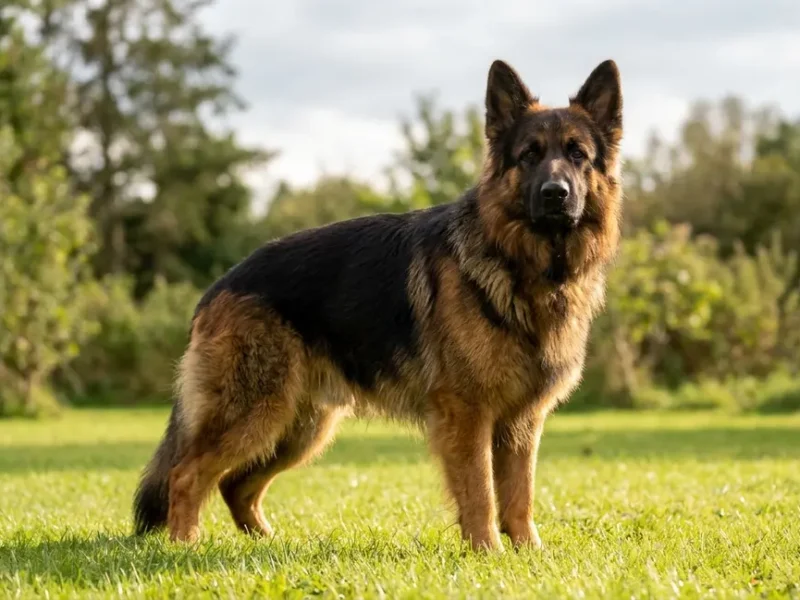
Every July, the same scene plays out: your German Shepherd is panting on the kitchen tiles, fur is collecting in every corner of the house, and the obvious fix seems to be grabbing the clippers. You’ve probably already searched “can you shave a German Shepherd” and gotten a confusing mix of answers.
Here’s the twist most owners don’t expect: that thick double coat is not working against your dog in the summer. It’s working for them. Shaving it off doesn’t cool your GSD, it removes the built-in thermostat that keeps them comfortable in both heat and cold. By the end of this guide, you’ll know exactly why shaving backfires, the five situations where it’s acceptable, and a specific routine to keep your dog cool without touching the clippers.
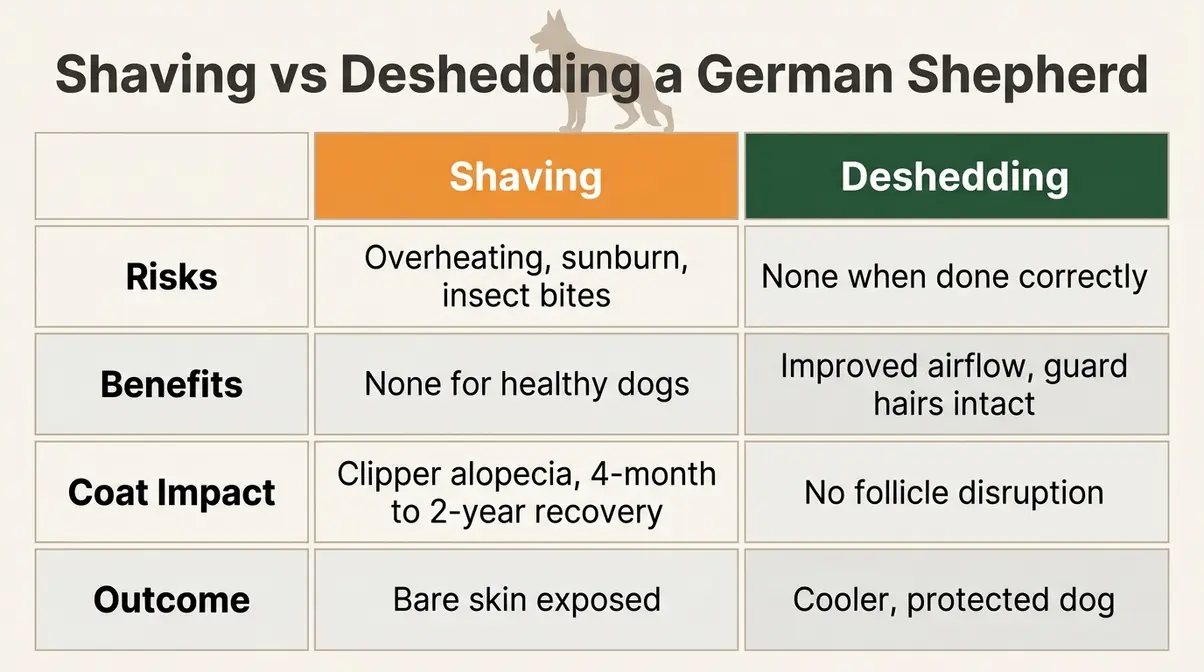
Shaving a German Shepherd is not recommended in most cases, the double coat insulates against summer heat as well as winter cold.
- The coat is the cooling system: removing it makes overheating and sunburn more likely, not less.
- Five exceptions exist: severe matting, vet-directed surgery prep, skin conditions, senior mobility limits, and extreme working conditions, all need a vet or certified groomer.
- Clipper alopecia is real: the coat may grow back patchy, coarse, or uneven, and recovery can take up to two years.
- The deshed routine works: an undercoat rake, slicker brush, and high-velocity dryer remove loose undercoat without touching the guard hairs.
- Brush 2-3 times a week (daily during a seasonal blow) to manage shedding without risking coat damage.
Is It Okay to Shave a German Shepherd?
No. In most cases, you should not shave a German Shepherd. The double coat, a soft undercoat plus coarser guard hairs, insulates against summer heat as well as winter cold. Removing both layers leaves your dog more vulnerable to overheating, sunburn, and insect bites. A handful of situations do call for a shave, and they’re covered below, but for a healthy GSD, the clippers stay in the drawer.
Can you shave a German Shepherd? Technically, yes, but the question is whether you should, and the answer for most dogs is no. Can I shave my German Shepherd to help them cope with summer? Again, the instinct makes sense, but the biology says otherwise.
“Shaving a healthy German Shepherd removes the double coat that insulates against both summer heat and winter cold, leaving the dog more vulnerable to overheating, sunburn, and insect bites.” This is the guidance reflected in American Kennel Club breed coat descriptions and grooming guidance.
Think of it this way: most owners assume shaving cools a dog the way it cools a human, by exposing skin to moving air. It doesn’t work that way for a double-coated breed. The undercoat traps a layer of cooler air near the skin in summer; the guard hairs block UV radiation and prevent insects from reaching the skin directly. Shaving removes both protective layers at once.
This is the core idea behind what PetVR calls “The Coat Is the Cooling System”, the double coat doesn’t just sit there looking fluffy. It actively regulates temperature in both directions, and shaving it removes the dog’s built-in thermostat, not just its fur. Should you shave a German Shepherd? Only in the five specific situations outlined in an earlier section, and even then, a vet or certified groomer should be involved. Should I shave my German Shepherd? If you’re asking because of summer heat, the deshed routine in this guide is a better answer.
The five exceptions, severe matting, vet-directed surgery prep, skin conditions, senior mobility limits, and extreme working conditions, are covered in full below.
To understand why shaving backfires, you need to know what the double coat is actually doing, and it’s not what most people think.
Why Does the Double Coat Make Shaving Risky?
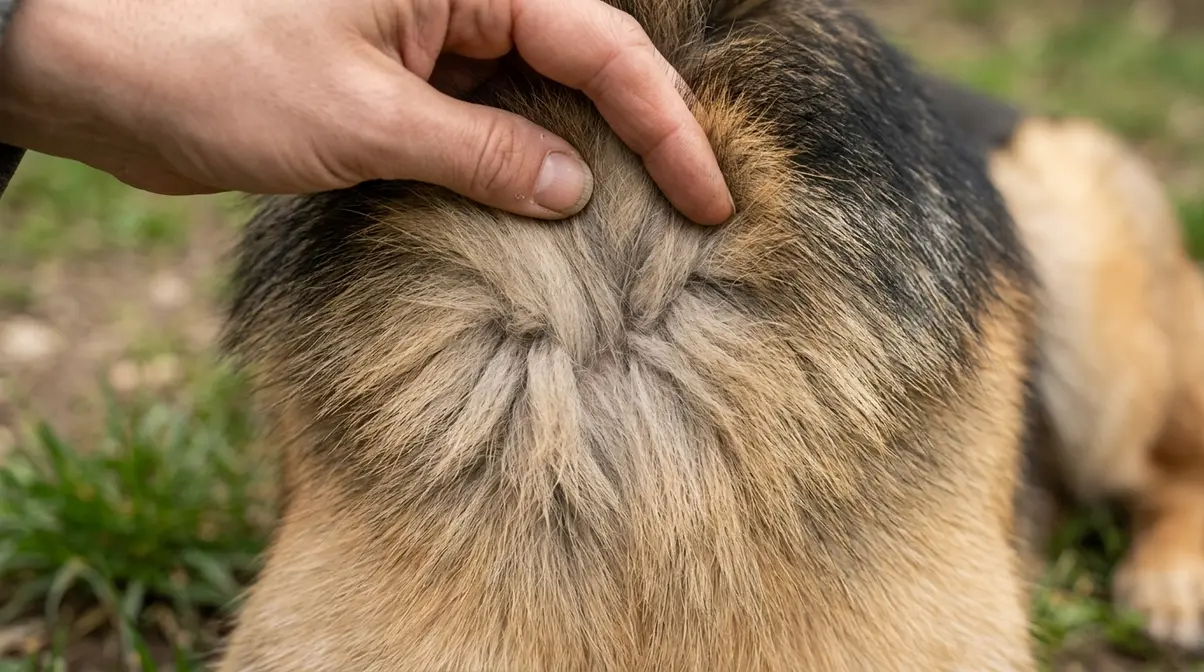
The German Shepherd’s coat has two distinct layers, each with a specific job. The undercoat is a soft, dense layer that traps air close to the skin. The guard hairs are the coarser outer layer that blocks UV radiation, repels rain, and prevents insect bites. Together, they form a system, and pulling one layer out disrupts the whole thing.
How the Undercoat and Guard Hairs Work Together
The undercoat works like a thermos flask. In summer, the trapped air layer stays cooler than the ambient temperature; in winter, body heat warms that same layer. The dog stays regulated in both directions. This is the mechanism behind “The Coat Is the Cooling System” introduced above, and it’s the detail that surprises most owners.
“The German Shepherd’s undercoat traps a layer of cool air near the skin in summer and warm air in winter, shaving it off removes the dog’s built-in temperature regulator, not just its fur.” This principle is explained by GroomBoard in their guidance on why shaving double-coated dogs removes temperature regulation and UV protection.
The guard hairs serve a separate but equally important role: they act as a physical barrier. Without them, bare skin is directly exposed to UV radiation, insects, and the elements. The AKC breed standard describes the German Shepherd’s double coat as designed for year-round work in varied climates, it’s a working coat built for performance, not just appearance.
One detail worth knowing: the undercoat and guard hairs grow back at different rates after shaving. The undercoat often returns faster and thicker, while the guard hairs lag behind. This can actually trap more heat than before the shave, the thermal consequence of clipper alopecia that most grooming articles skip over. To understand how stock, plush, and long coats differ in their undercoat density, that breakdown is worth reading before making any grooming decisions.
The double coat also sheds seasonally, “blowing the coat” twice a year, typically in spring and autumn. Each blow lasts roughly two to four weeks, and this is when deshedding matters most. A high-velocity dryer session during a blow removes far more loose undercoat than brushing alone.
The Sunburn and Overheating Risk After Shaving
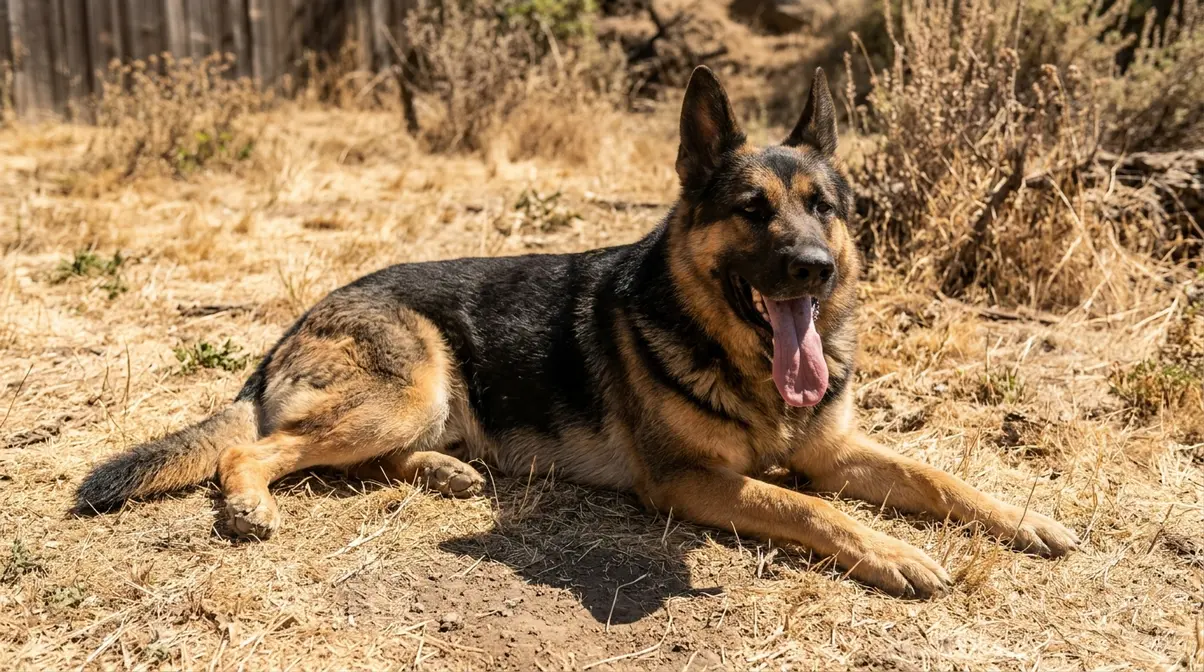
Without guard hairs, bare skin is directly exposed to UV radiation. German Shepherds can and do sunburn, particularly on the back, nose, and ears, where the skin is thinnest and most exposed. This risk is highest on dogs with lighter pigmentation, but no GSD is immune once the guard hairs are gone.
Without the undercoat’s air-trapping layer, the dog also loses the mechanism that keeps skin temperature stable. The result is the opposite of what owners expect: overheating risk increases, not decreases. Picture a shaved dog lying in direct July sun versus a double-coated dog in the same conditions. The shaved dog’s skin temperature rises faster because there’s no insulating buffer between the skin and the heat source.
Mittelwest covers why shaving increases overheating and sunburn risk in German Shepherds, confirming that the three specific risk categories, sunburn, overheating, and insect bites, are all linked to guard hair removal.
Insect exposure is the third risk. Ticks, mosquitoes, and flies can reach the skin directly once the guard hairs are gone. For dogs in wooded or rural areas, this is a meaningful welfare concern, not a minor inconvenience.
There are a handful of situations, though, where shaving is the right call, and every one of them involves a vet or a certified groomer.
When Is Shaving a German Shepherd Acceptable?
Shaving is acceptable in a small number of specific situations. Every one of them involves a vet or a certified groomer, not a home clipper session. If your dog doesn’t fit one of the five situations below, the deshed routine later in this guide is the right approach.
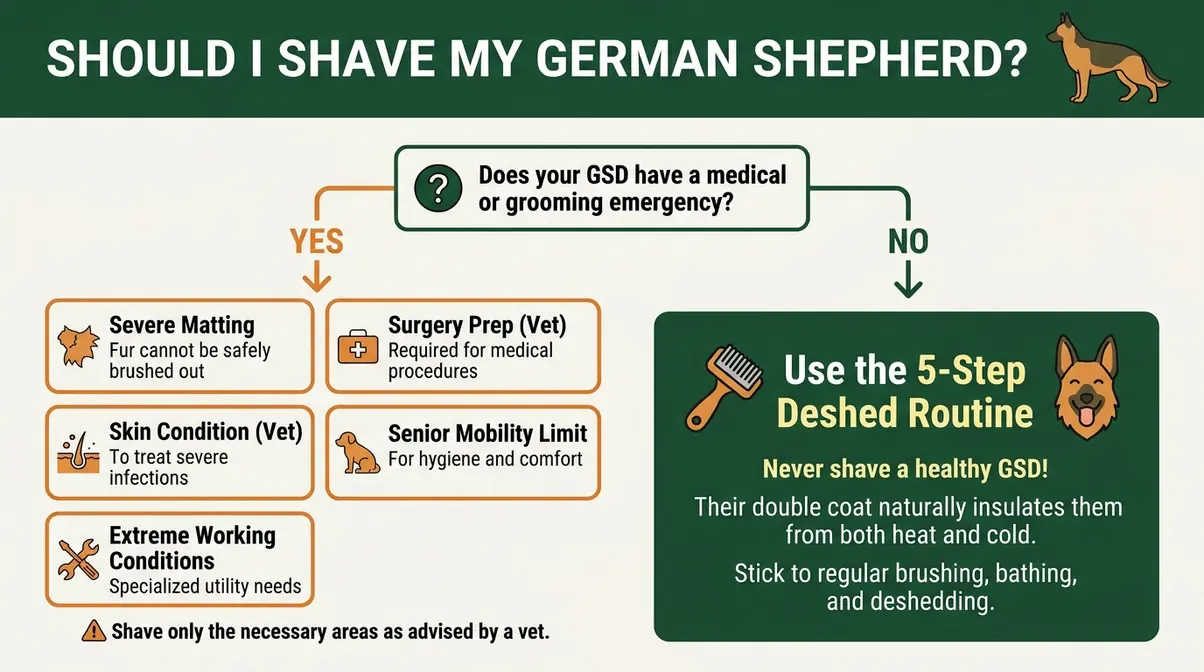
The Five Situations That Need a Vet or Certified Groomer
Is it okay to shave a German Shepherd? Is it ok to shave a German Shepherd? For these five situations, yes, with the right professional involved:
- Severe matting. Mats that pull painfully on the skin and can’t be brushed out are a humane-shave situation. This is the most common exception, particularly for long-haired GSDs and mixes. A certified groomer, not home clippers, is strongly recommended. If you have a long-haired German Shepherd and the mats are beyond brushing, a hygienic close trim by a groomer may be the kindest option.
- Vet-directed surgery prep. A veterinarian shaves the surgical site before a procedure. This is the vet’s decision, not the owner’s, full stop.
- Diagnosed skin conditions. Severe hot spots, mange, or fungal infections may require shaving the affected area for treatment. This is always a veterinarian’s decision, made as part of a treatment plan.
- Senior or mobility-limited dogs. Dogs that can’t be groomed normally due to age or limited mobility may need a close trim for hygiene and comfort. Consult a vet or certified groomer to determine the right approach.
- Extreme working conditions. Working dogs in exceptional heat environments may be assessed by a vet for a partial trim. This is rare and always vet-directed.
⚠️ Medical shaving, for surgery, treatment areas, or diagnosed skin conditions, is always a veterinarian’s decision. If you’re unsure whether your dog’s situation qualifies, consult your vet or a certified groomer before reaching for the clippers.
Pawradise Pet Grooming covers grooming exceptions for German Shepherds including matting and medical needs in their detailed grooming guide.
For owners of mixed-breed dogs, it’s worth understanding what coat and grooming needs to expect from German Shepherd mixes, some crosses carry a modified double coat that changes how these exceptions apply.
Can you shave a long-haired German Shepherd? Only in the matting exception above. Can you shave a German Shepherd mix? The same five-situation rule applies, though mix-specific coat structure may affect the groomer’s approach.
Even if your dog doesn’t need a shave, it’s worth knowing what happens to the coat if one does occur, because the consequences can last longer than most owners expect.
What Happens After You Shave a German Shepherd?
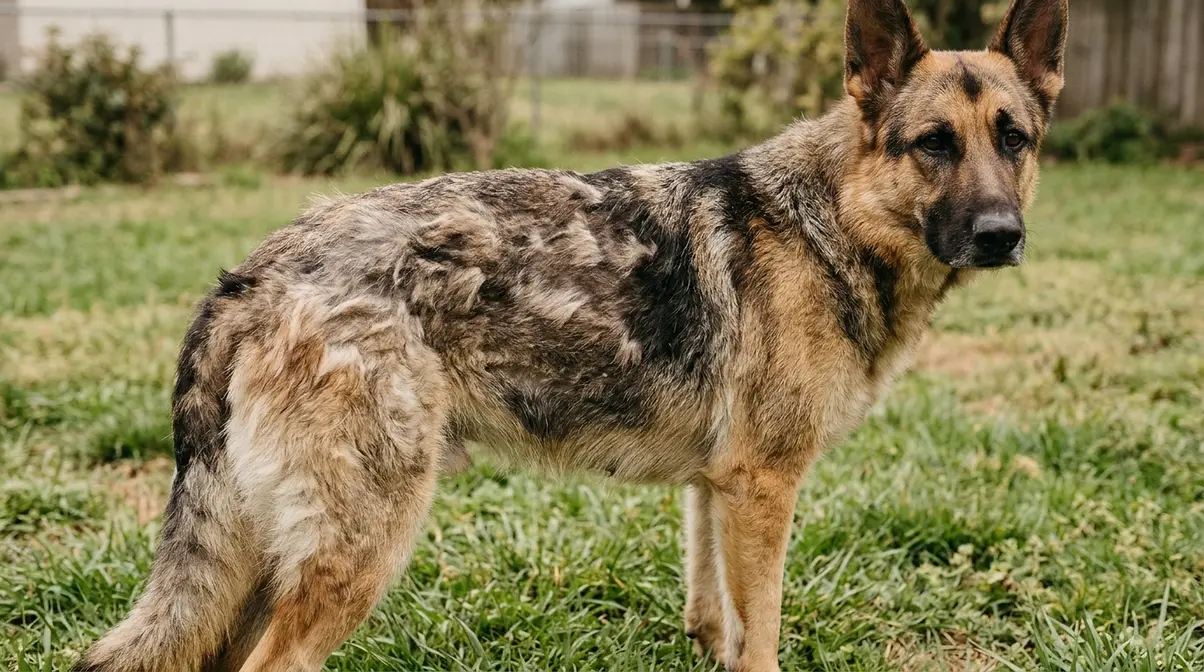
What does a shaved German Shepherd look like six months later? The coat may grow back patchy, coarse, or permanently altered. The condition has a name: clipper alopecia, a condition where the coat grows back patchy, coarse, oddly colored, or not at all after shaving. It happens because the undercoat and guard hairs grow at different rates, so the two layers don’t return in sync.
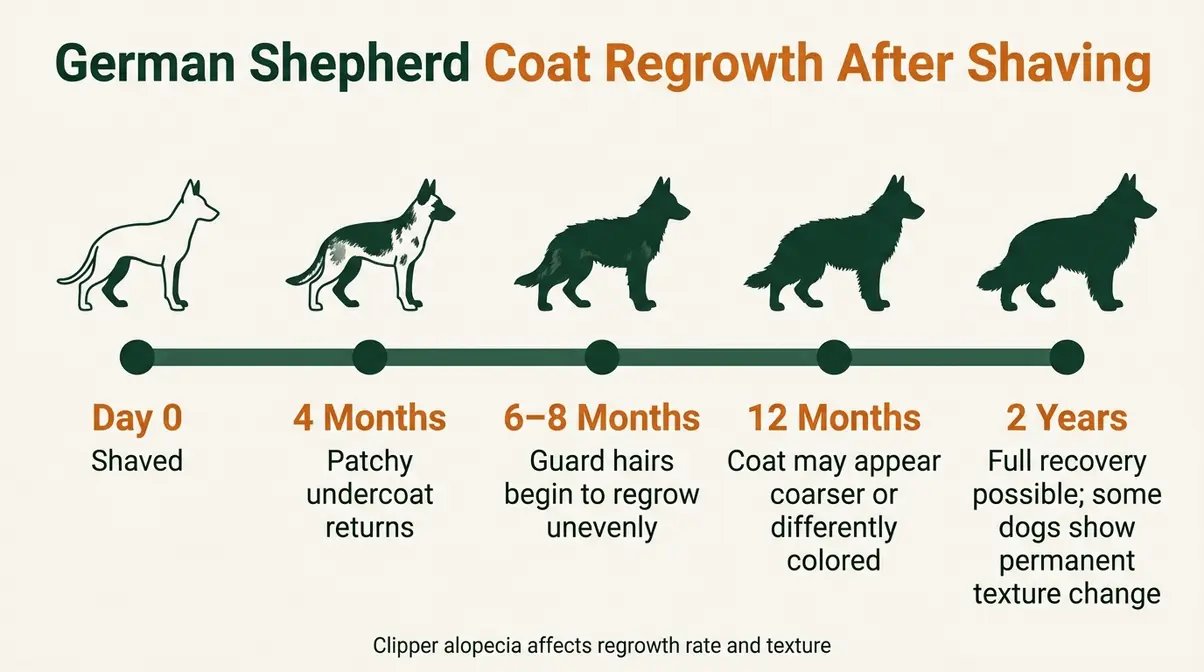
Clipper Alopecia and the Regrowth Timeline
Clipper alopecia affects the hair follicles themselves. The clippers can disrupt follicle function, particularly in double-coated breeds, and the two-layer structure doesn’t always reassemble correctly. The undercoat often grows back faster and denser, while the guard hairs lag, leaving the dog with a thicker, heavier undercoat and none of the guard hairs needed to regulate it. The dog can end up hotter than before.
“After shaving, the German Shepherd’s coat may grow back patchy, coarse, or permanently altered, a condition called clipper alopecia, with recovery taking anywhere from four months to two years.” Bocce’s Bakery (July 2026, retail source) reports a range of four to six months to a year or longer; Wag Walking (2017, updated September 2021, retail/vet-content source) reports recovery can stretch to two years. Neither is a Tier 1-2 clinical source, but the range is consistent across grooming literature.
The color and texture changes are visible and sometimes striking. What happens if you shave a German Shepherd? Some dogs’ coats return coarser or fluffier; others come back with slightly different color, particularly noticeable on black-and-tan dogs. A shaved black German Shepherd may grow back with a softer, less defined coat because the guard hairs that gave the coat its sleek appearance don’t always return to the same texture. The “before and after” difference can be significant, and it may be permanent.
Community reports on r/germanshepherds suggest clipper alopecia is more common than the grooming literature acknowledges, particularly in older dogs. The research on exact rates is limited, and Tier 1-2 data is sparse, this is an area where anecdotal owner experience currently outpaces published evidence.
Groomers Online covers post-shave coat consequences and regrowth in double-coated breeds, including the texture and color changes that can follow a shave.
The good news: you don’t need to shave your German Shepherd to solve the heat and shedding problem. Here’s the routine that actually works.
What Should You Do Instead of Shaving?
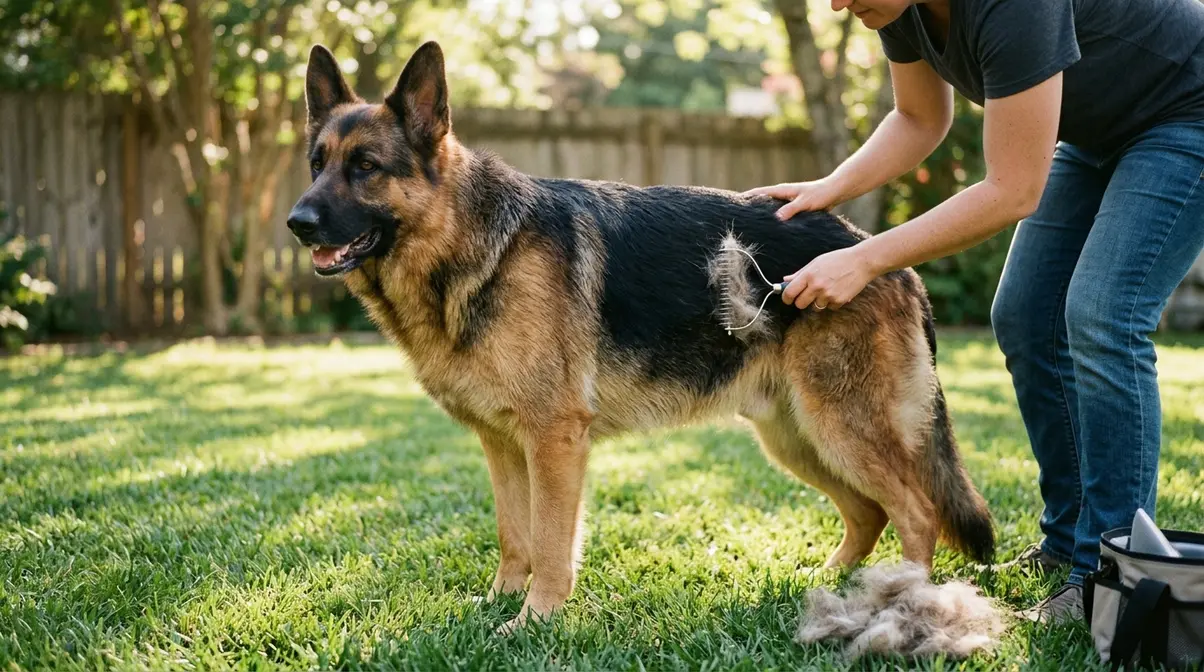
No, you shouldn’t shave a German Shepherd in summer, but the deshed routine below will keep your dog cooler than shaving would. Removing loose undercoat lets air circulate freely while keeping the guard hairs intact to block UV and regulate temperature. The routine takes 20 to 40 minutes and can be done at home.
Should I shave my German Shepherd in summer? The deshed routine is the answer that actually addresses the heat problem without the risks.
The Five-Step Deshed Routine
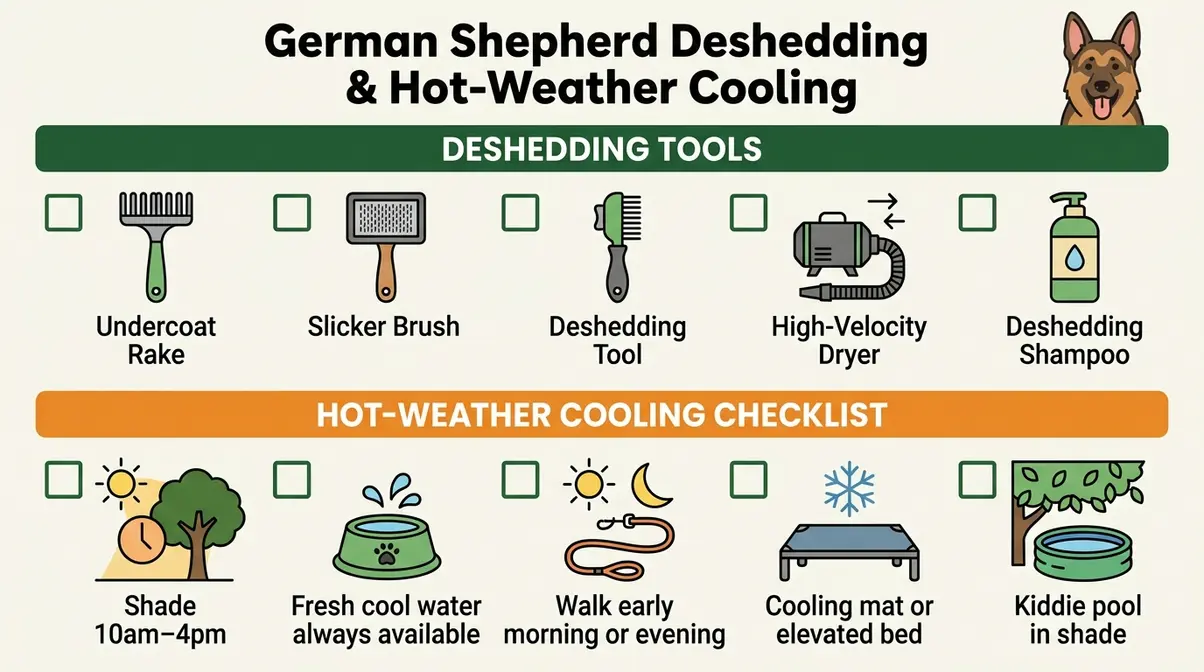
Learning how to groom a German Shepherd properly starts with the right tools. Before you begin, gather these:
- Undercoat rake, a wide-toothed tool that reaches the undercoat without cutting the guard hairs
- Slicker brush, a fine-wire brush for finishing and detangling the outer coat
- Deshedding tool, a Furminator-style tool, most useful during heavy blow seasons
- High-velocity dryer, optional but highly effective; blows loose undercoat out of the coat before brushing
- Dog-safe deshedding shampoo
Here are the five steps:
- Bath. Bathe your GSD every 6-8 weeks with a deshedding shampoo, according to how often to bathe a German Shepherd guidelines. Wet the coat fully and work the shampoo through to the undercoat. Bathing loosens dead undercoat and makes the subsequent steps far more effective.
- High-velocity dry. Before picking up a brush, blow out loose undercoat with a high-velocity dryer. This single step removes more loose fur than an hour of brushing alone, and it’s the step most owners skip. During a seasonal blow, a 20-minute dryer session makes a visible difference.
- Undercoat rake. Work through the coat in sections with the undercoat rake, focusing on the neck, hind end, and back legs, the areas with the thickest undercoat. Use long, firm strokes in the direction of hair growth.
- Slicker brush. Finish with a slicker brush to remove any remaining loose fur and smooth the guard hairs. This is also the step that catches fine tangles before they become mats.
- Comb. Run a wide-toothed comb through the coat to check for any remaining tangles or mats, especially around the ears and collar area.
Frequency: Brush 2-3 times a week normally, and daily during a seasonal blow. Each blow lasts roughly two to four weeks, occurring in spring and autumn. This frequency is recommended by Pawradise Pet Grooming and Bocce’s Bakery (July 2026), both retail grooming sources.
Common mistakes: Brushing only the top coat (guard hairs) without reaching the undercoat; skipping the high-velocity dry step; and brushing a dry, dirty coat. Always bathe first.
Mittelwest recommends deshedding as the primary alternative to shaving for summer heat management in German Shepherds.
Hot-weather cooling checklist (in addition to the deshed routine):
- Provide shade during peak sun hours (10 a.m. to 4 p.m.)
- Keep fresh, cool water available at all times
- Walk during early morning or evening when pavement and air temperature are lower
- Use a cooling mat or elevated cooling bed indoors
- A kiddie pool in the shade gives your GSD a way to self-cool
Beyond the deshed routine, there are a few light trims that are safe to do at home, and they’re very different from a full shave.
Safe Trims You Can Do at Home
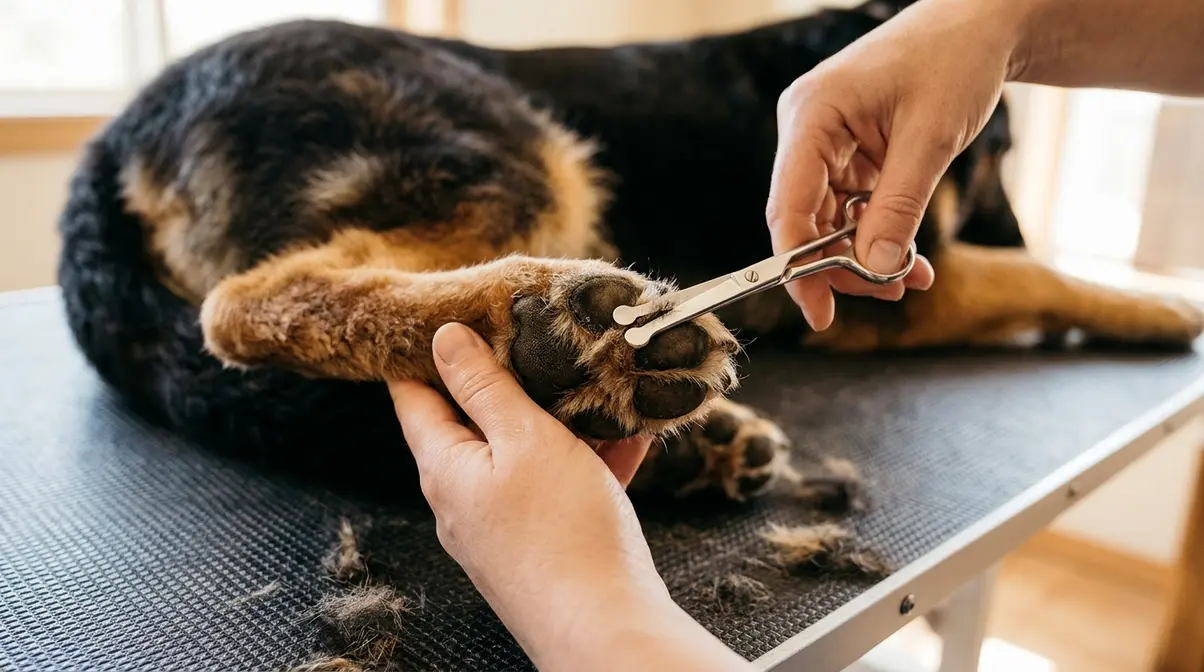
Can you trim a German Shepherd? Yes, in three specific areas. What you should never do is run clippers over the back, sides, or neck, where the double coat is thickest. These three areas are safe to tidy at home:
- Paw pads. Trim the fur between the paw pads with blunt-tipped scissors to prevent matting and improve grip on smooth floors. This doesn’t touch the double coat at all.
- Sanitary area. A light trim around the rear for hygiene. Use blunt-tipped scissors or a clipper on the lowest guard setting. If you’re not confident, a certified groomer handles this quickly and safely.
- Belly. A light trim on belly fur if it becomes matted or tangled. Again, this is surface fur, not the double coat.
The distinction matters: “trim” means tidying surface fur in these three zones. “Shave” means running clippers over the double-coated areas of the body, back, sides, neck, where the temperature-regulation system lives. The first is fine; the second is where the problems start.
Groomers Online identifies paw pads, the sanitary area, and the belly as the safe trim zones for German Shepherds, consistent with standard grooming practice.
Here are the questions German Shepherd owners ask most often about shaving, answered directly.
Frequently Asked Questions
Is it okay to shave your German Shepherd?
No, for a healthy German Shepherd, shaving is not recommended. The double coat (a soft undercoat plus coarser guard hairs) insulates against summer heat as well as winter cold, and shaving removes both layers, leaving the dog more vulnerable to overheating, sunburn, and insect bites. In some cases, the coat grows back patchy or coarse, a condition called clipper alopecia, and recovery can take up to two years. Exceptions exist for severe matting, vet-directed surgery prep, and diagnosed skin conditions, but all require a vet or certified groomer.
Can you shave a German Shepherd in the summer?
No, shaving a German Shepherd in summer makes overheating more likely, not less. The double coat traps a layer of cool air near the skin; removing it exposes bare skin to direct sun and heat. Instead, use an undercoat rake and deshedding tool to clear loose undercoat, and provide shade, fresh water, and exercise during cooler hours. A high-velocity dryer session after a bath removes more loose fur than shaving would, without the risks.
What happens if you shave a German Shepherd?
Shaving can permanently alter the coat, a condition called clipper alopecia. The undercoat and guard hairs grow back at different rates, so the coat may return patchy, coarse, oddly colored, or not at all. Recovery can take anywhere from four months to two years, depending on the dog’s age and health. Shaving also removes the protection against sunburn and insect bites that the guard hairs provide.
Can you shave a long-haired German Shepherd?
Usually no, the same double-coat caution applies to long-haired German Shepherds. The long coat has the same two-layer structure, and shaving carries the same risks of clipper alopecia, sunburn, and impaired temperature regulation. The exception is severe, unmanageable matting that pulls painfully on the skin and can’t be brushed out, in that case, a hygienic close trim by a certified groomer may be the kindest option. Medical needs, such as a surgical site or diagnosed skin condition, are always a veterinarian’s decision.
What can I do instead of shaving my German Shepherd?
The deshed routine, bath, high-velocity dry, undercoat rake, slicker brush, comb, removes loose undercoat without touching the guard hairs. Brush 2-3 times a week normally, and daily during a seasonal blow, to keep shedding manageable. For hot weather, add shade, fresh water, a cooling mat, and exercise during early morning or evening hours. These steps work with the coat’s natural design rather than against it.
What to Change Before Your German Shepherd’s Next Summer
For German Shepherd owners, the answer to “should I shave my dog?” is almost always no. The double coat is an active temperature-regulation system, shaving it removes the dog’s built-in thermostat and leaves bare skin exposed to sun, heat, and insects. The deshed routine (bath, high-velocity dry, undercoat rake, slicker brush, comb) achieves what shaving promises, a cooler, more comfortable dog, without the risk of clipper alopecia or permanent coat damage. PetVR’s guidance on this aligns with what groomers and breed specialists consistently recommend: work with the coat, not against it.
“The Coat Is the Cooling System” isn’t just a catchy phrase, it’s the biological reality of how a working-breed coat functions. The July heat that made shaving feel like the obvious answer is exactly the situation the double coat was designed to handle. The deshed routine is the answer the coat’s design was built for.
Start the deshed routine now, before the summer peak. If your dog has mats you can’t brush out, or you’re dealing with a skin condition, book a certified groomer or vet appointment rather than reaching for home clippers. And if you want to understand how your dog is likely to behave during grooming sessions, PetVR’s guide to what to expect from your German Shepherd at different life stages is a useful next read.
 German Shepherd Eye Disease: Symptoms & Treatment