The German Shepherd is a unique dog breed. Arguably one of the most sought after dog breeds in the country, they are awesome companions to have as they are loyal to their owners and blessed with decent temperaments. In addition to that, the German Shepherd has a wonderful work ethic that makes them suitable dogs to be used as search and rescue dogs by the police, protective dogs, therapy dogs, and a lot more.
Even with all the diversity and usefulness of the German Shepherd, it is, unfortunately, one of the most highly neglected, abused, and abandoned dog breeds found in the country. There are literally thousands of shelters filled with German Shepherd dogs abandoned or surrendered by their owners. This is why states like North Carolina produce a decent number of German Shepherd rescues to help give these dogs a better life.
If you are currently residing in the state of North Carolina, and are considering adopting a German Shepherd dog into your family, then this article will be of help to you. We provide a list of some reputable canine rescue organizations residing in the state that are devoted to the German Shepherd breed. We also include their contact details with other relevant information to make your search for your next family companion really easy.
1. Freedom German Shepherd Rescue
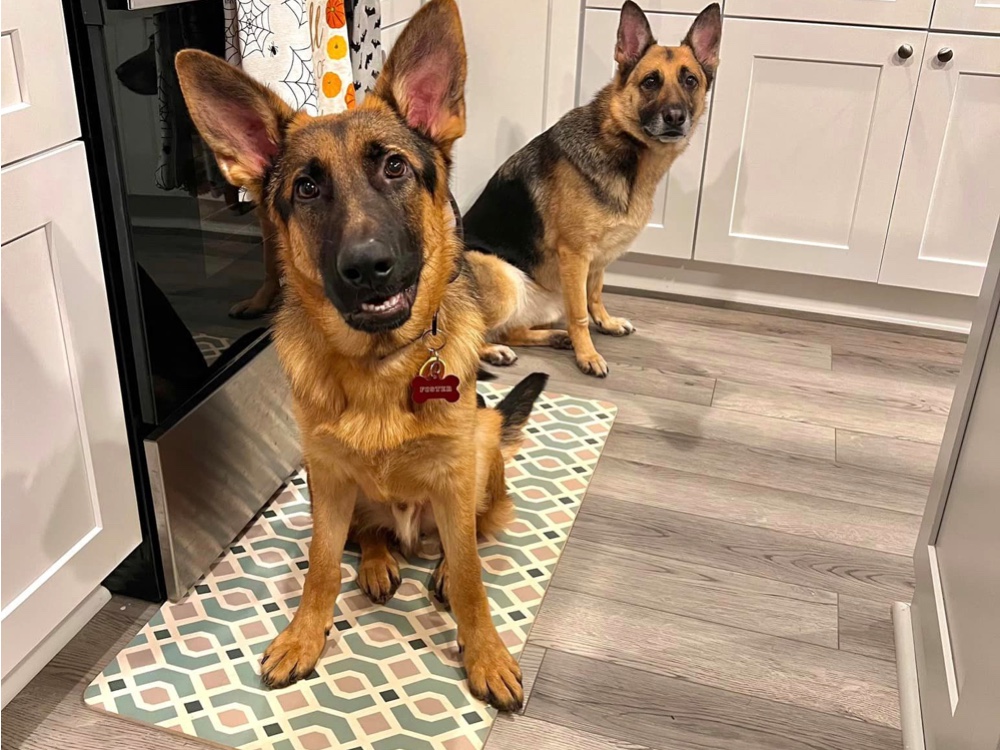
We start off our list with a German Shepherd rescue organization that is located in La Grange, North Carolina. Freedom German Shepherd Rescue is a non-profit organization that is made up of unpaid volunteers with nothing but love for the German Shepherd breed. They are a like-minded group that shares the goal of saving or rescuing neglected, abused, and surrendered German Shepherd dogs from kill shelters across the state of North Carolina and South Carolina.
The non-profit organization was founded in 2018 and since then they have done their best by not only rescuing the German Shepherd dogs, but also placing them in foster homes in the state where they receive adequate medical care, and some basic training while they are being placed for adoption. Each dog is evaluated by a trained professional in canine behavior to make sure they are mentally okay to be adopted by a loving family. All dogs are vaccinated and properly socialized.
The organization also gives back to the community by means of education on the issues of bad breeding, overpopulation, abandonment, and rescuing of all dog breeds (not just the German Shepherd dog). There are numerous ways in which you can support the cause. One is by providing foster homes for the cause as they are always in need of new foster homes for the dogs to be placed in. You can also adopt their German Shepherds. The price starts at $300, but there are some basic requirements that must be met before adoption starts.
| Open For | Over 4 years |
| Location | La Grange, North Carolina |
| [email protected] | |
| Website | freedomgermanshepherdrescue.org |
| Freedom German Shepherd Rescue |
2. Southeast German Shepherd Rescue
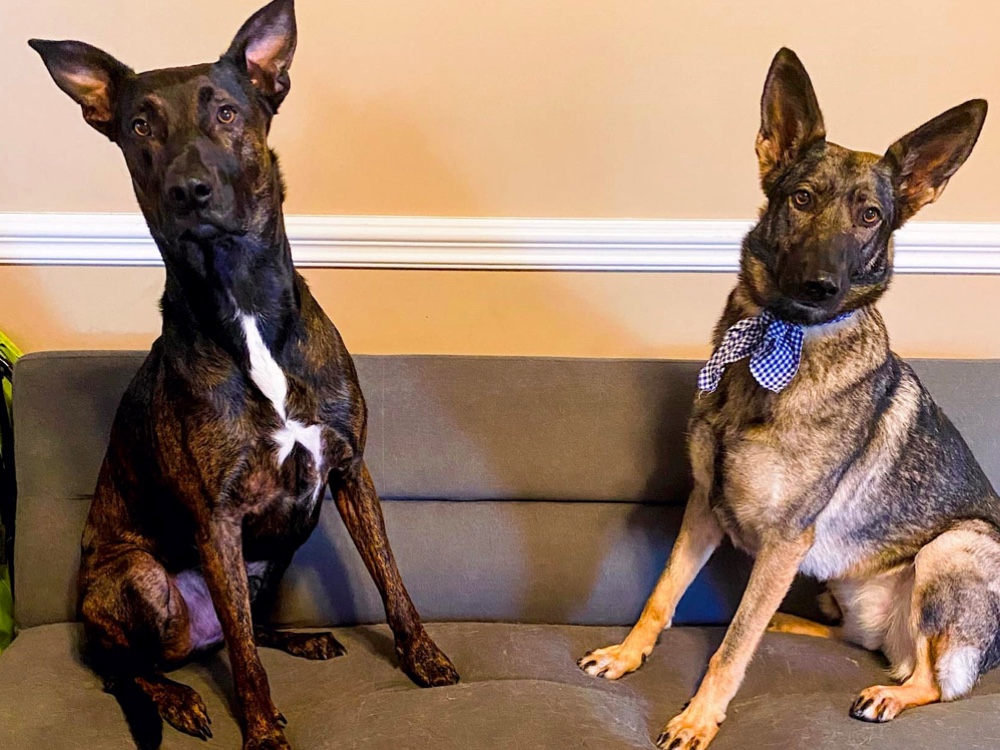
Arguably one of the most popular German Shepherd Rescue organizations in the country, Southeast German Shepherd Rescue are taking up the 2nd spot on our list. They are a non-profit organization that operates in regions of North Carolina and regions of Virginia where they are devoted to rescuing, reforming, or rehabilitating and rehoming German Shepherds and German Shepherd mixes. The rescue organization was founded in the year 2010 by Heather Duggan, a German Shepherd lover.
The organization is 100% volunteer based as they are a group of like-minded individuals that are devoted to rescuing German Shepherds with the foundation being fully committed to giving its volunteers every necessary equipment to rescue, rehabilitate and rehome these German Shepherd dogs. The organization is also foster-based as all rescued dogs are placed in foster homes where they are rehabilitated and prepared for adoption. The dogs are given proper tests and treatments for any health issues they must have come across. And this whole process is done through the Phoenix Dog Program.
As a non-profit, all proceeds that are made through adoptions and donations are used to provide basic care for their German Shepherds. You are encouraged to apply for the adoption of their German Shepherd dogs, but it might take a while for the applications to be fully approved as they do care for the families their dogs and up in. so expect the process to be thorough.
| Owner | Heather Duggan |
| Open For | Over 10 years |
| Location | Mooresville, North Carolina |
| [email protected] | |
| Phone Number | (888) 625-6219 |
| Website | southeastgermanshepherdrescue.com |
| Southeast German Shepherd Rescue |
3. Saving Grace
Coming down to Wake Forest in North Carolina, the next rescue to be reviewed on our list is Saving Grace. They are a top-notch rescue organization that is also fully non-profit. It is worth stating that they are not breed-specific as they rescue other dog breeds, not just the German Shepherd, but since the German Shepherd makes up a high percentage of dog breeds in their care, that is why they are added to our very special list. The rescue organization was established in 2004.
They are tasked with rescuing or saving, rehabilitating, and rehoming German Shepherds located in the state of North Carolina. The dogs they rescue are often euthanized, neglected, and surrendered dogs that are abused and saddened. These dogs are taken from kill shelters and are placed on a beautiful farm in North Carolina that is equipped to properly rehabilitate these dogs providing them with proper medical care and meeting up to their other needs.
You can show your support for their cause by way of donations or adoptions. You can donate your homes as foster homes or in cash through their website. Also, adoption of their dogs is also greatly encouraged but there is a process and a few requirements that need to be met before you can leave with any of their German Shepherds. All money made from donations and adoptions are used for the general well-being of each rescued dog.
| Owner | Molly Goldston |
| Open For | Over 15 years |
| Location | Wake Forests, North Carolina |
| [email protected] | |
| Phone Number | (919) 518-1180 |
| Website | savinggracenc.org |
| Saving Grace |
4. German Shepherd Rescue and Adoptions
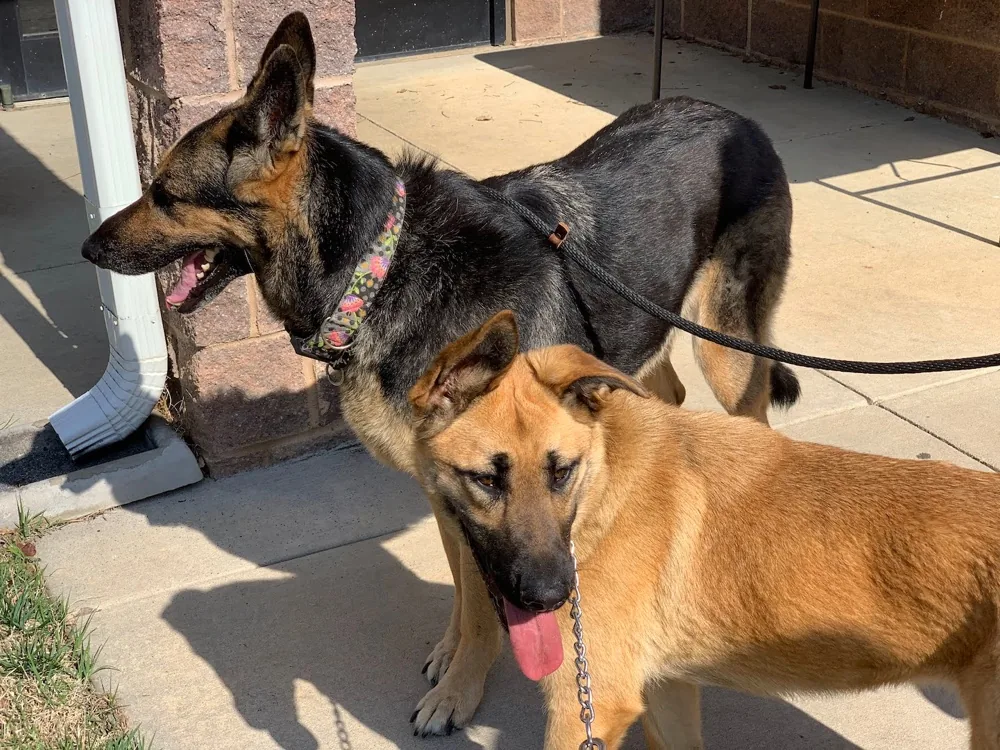
The 4th and final German Shepherd rescue organization located on our list is German Shepherd Rescue and Adoptions. They are based in Durham, North Carolina but they also work through South Carolina and Virginia. Their commitment to German Shepherd dogs and German Shepherd mixes has been in establishment since 1992 as they are saddled with rescuing, rehabilitating, and rehoming German Shepherds that are found in diminished kill shelters and even abandoned or surrendered by their owners.
Every German Shepherd dog or mix that they rescue is also provided with proper medical care by their certified vets, they each undergo a series of heartworm tests and are each given proper vaccinations and heartworm treatments when necessary. They also microchip each dog and provide a suitable foster environment where they are kept, trained, and socialized before being put up for adoption. In their care are German Shepherd dogs of all ages, both the puppies and adults.
You can check through their website for their adoption listings for any dog that you might be interested in. The adoption fee for all their dogs starts from $300 and it might change due to a few factors like age. There is a list of requirements that has to be met before any adoption application is approved and they only allow their dogs to go to families within North Carolina, Virginia, and South Carolina. All proceeds that are made from adoption and donations to their cause are used for proper care of the rescued German Shepherds.
| Open For | Over 30 years |
| Location | Durham, North Carolina |
| [email protected] | |
| Website | gsdrescue.org |
| German Shepherd Rescue and Adoptions |
Final Thoughts
There are a few good meaning German Shepherd rescues located in North Carolina like the 4 non-profit organizations listed above. For my personal pick, Southeast German Shepherd Rescue located in Mooresville, North Carolina, and founded by Heather Duggans would be it.
With over 10 years of experience and such a large network of volunteers sharing a like-minded goal of rescuing, rehabilitating, and rehoming German Shepherds as well as operating in two states of North Carolina and Virginia, Southeast German Shepherds have truly been impressive.
What I most love about their organization is the Phoenix Dog program which is an interesting program unique to their organization. The phoenix program enlists the skills of top vet experts and other canine specialists to provide a proper attempt at a second life for their rescued German Shepherds.
They cover every possible defect and special needs of the German Shepherd dogs from treating and managing birth defects, to degenerative disorders, developmental problems, and a lot more.
Still. Just don’t take our word for it. Do proper research on each rescue you intend to patronize and be sure your research is thorough so you can end up with the right German Shepherd for both you and your family. Visit the website for more engaging articles like this.
Check any rescue before you apply, including the ones on this page
A directory is a starting point, not a recommendation. Rescues open, merge, pause intake and close, and a listing that was accurate when it was written can be out of date by the time you read it. Verify before you travel or send money, whether the organisation came from this page or anywhere else.
The strongest single check is free and takes two minutes. Most legitimate rescues in the United States are registered non-profits, and the IRS publishes a searchable record of them.
The IRS Tax Exempt Organization Search lets you look up an organisation’s “Eligibility to receive tax-deductible charitable contributions” and its filing record (apps.irs.gov/app/eos, retrieved 2026-08-13). It covers five datasets, including Form 990-series returns, Publication 78 data, determination letters, and, most usefully here, an automatic revocation list of organisations that have lost tax-exempt status.
That last one is the check worth doing. The IRS states that an organisation automatically loses tax-exempt status “if an organization does not file the required Form 990-series returns or notices yearly for 3 consecutive years” (retrieved 2026-08-13). An animal rescue that has stopped filing for three years is telling you something about how it is currently being run.
Alongside that, three quick signals:
- A physical presence you can verify a foster network with real addresses, or a facility you can visit.
- An application process that asks you questions. A rescue that will hand over a dog with no questions asked is not screening its homes, and that should worry you on the dog’s behalf as much as your own.
- Willingness to say no. Good rescues turn down applicants and turn down dogs they cannot place safely.
Be wary of anything that looks like a sale wearing rescue language: puppies consistently available, a fixed price rather than an adoption fee, pressure to pay a deposit before meeting the dog, or transport arranged before any home check.
What the adoption process actually involves
People are often surprised by how thorough rescue adoption is, particularly for a large working breed. In North Carolina as anywhere, expect most of the following.
- A written application. Housing, fencing, hours the dog would be alone, other pets, children, and previous dog experience.
- References. Often including your vet, if you have had a pet before.
- A home visit, in person or by video. It is a check on fencing and safety, not on your housekeeping.
- A meet-and-greet, and a second one with any resident dog, usually on neutral ground.
- An adoption fee. This typically covers neutering, vaccination, microchipping and any treatment the dog has had, and it rarely covers the rescue’s full costs.
- A contract, which will normally require the dog to be returned to the rescue rather than rehomed privately if things do not work out.
That return clause is a feature, not a catch. It is the mechanism that stops a dog cycling through strangers, and a rescue that does not have one has no plan for the dog after you.
The questions to ask about the individual dog
The organisation matters less than the match. These are the questions that actually predict how the first six months go.
- Why is this dog here? Owner surrender, stray, or returned from a previous adoption are three very different histories.
- Has it been returned before, and why? The answer is usually informative rather than disqualifying.
- How is it with other dogs, cats, and children? Ask what that assessment was based on, not just what the conclusion was.
- Has it been assessed for resource guarding or handling sensitivity? Both are manageable and both are much easier to plan for when you know in advance.
- What veterinary work has been done, and what is outstanding? Ask for the records rather than a summary.
- Is it house-trained, and is it used to being alone? Separation problems are common in rehomed dogs.
- What support do you offer afterwards? The good ones stay reachable.
If a rescue cannot answer these, that is not necessarily dishonesty. A dog that arrived last week genuinely has an unknown history. “We do not know yet” is a perfectly good answer; “he is fine with everything” about a dog nobody has tested is not.
What an adopted German Shepherd tends to need
A settling-in period with less going on, not more. A dog that has just changed homes has lost every predictable thing it had. Quiet routine, no visitors, and letting the dog approach you does more in the first fortnight than any amount of attention. Our guide to building a bond with your dog covers why doing less works better at this stage.
A realistic view of what is common in the breed. A VetCompass study of 12,146 German Shepherds found the most frequently recorded disorders were “otitis externa (7.89%), osteoarthritis (5.54%), diarrhoea (5.24%), overweight/obesity (5.18%) and aggression (4.76%)” (O’Neill DG, Coulson NR, Church DB, Brodbelt DC, “Demography and disorders of German Shepherd Dogs under primary veterinary care in the UK”, Canine Genetics and Epidemiology 2017;4:7, retrieved 2026-08-13).
Read that as a checklist for the first vet visit rather than a warning. Ears and joints are worth having looked at early in any adopted Shepherd, and weight is the one factor on the list you fully control.
Aggression appearing in a clinical disorder register is worth understanding correctly: it is something vets record and work up, not a temperament verdict. If it comes up, the referral route is a vet and a qualified behaviour professional. AVSAB advises that “if a trainer is observed using aversive training methods or if a trainer discusses out-dated ideas such as dominance, leader of the pack, or alpha theories, then clients should be advised against hiring them” (AVSAB Position Statement on Humane Dog Training, 2021, retrieved 2026-08-12). That rule matters most for exactly the dogs that come through rescue.
If nothing here is the right fit
Breed-specific rescues in any one state can be small, and availability swings month to month. Widening the search is usually more productive than waiting.
- Municipal shelters and all-breed rescues take in far more German Shepherds and Shepherd crosses than the breed-specific groups do.
- Neighbouring states. Many rescues will place across a state line for the right home, though some require you to collect.
- Adult dogs. Puppies get applications within hours. A four-year-old dog with a known temperament is often the better match anyway, and is far easier to assess honestly.
If you end up buying rather than adopting, the principle does not change: ask for documents rather than descriptions, and treat anything unverifiable as unverified.
Disclaimer: PetVR shares general information based on our contributors’ firsthand experience with German Shepherds — it is not veterinary advice. Always consult a licensed veterinarian about your dog’s health, diet, or behavior. Read our full disclaimer.
Widening the search past North Carolina
Shepherd availability swings month to month, so if North Carolina has nothing suitable right now it is worth watching Texas rescue intake and adoption fees alongside German Shepherd rescues in Georgia and Shepherds waiting for homes in Florida, or opening our full German Shepherd rescue index. If you decide to buy instead, here are the North Carolina breeders worth vetting.
 Top 9 Best German Shepherd Rescues in Texas